
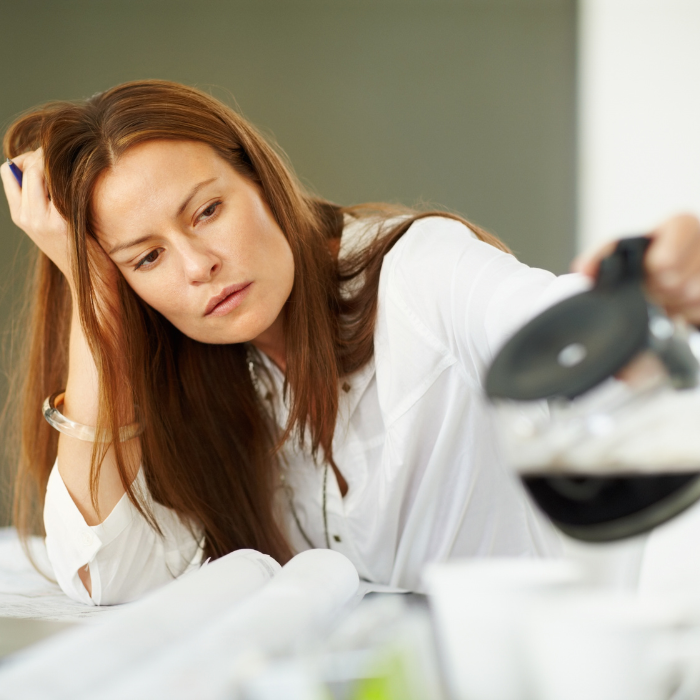
Or maybe you've noticed that a glass of wine with dinner leaves you waking up in the middle of the night.
During perimenopause and menopause, changes in sleep, body temperature, and other symptoms can make you more aware of how everyday habits affect your body.
But does that mean you need to give up coffee or alcohol completely?
Caffeine and alcohol can affect sleep and may worsen certain menopause symptoms for some women. However, neither is a proven hot-flash trigger for everyone.
Your response may depend on how much you consume, when you consume it, your health, and your individual sensitivity.
Understanding these differences can help you make informed choices without following unnecessary restrictions.
Key Takeaways
- Caffeine and alcohol may affect menopause symptoms differently from person to person.
- Research hasn't established caffeine as a universal hot-flash trigger.
- Caffeine can interfere with sleep and may worsen jitteriness or anxiety.
- The timing and amount of caffeine matter.
- Alcohol can disrupt sleep, even when it initially makes you feel sleepy.
- Some women notice warmth or flushing after alcohol, but it isn't a proven hot-flash trigger for everyone.
- Alcohol increases certain long-term health risks, including breast cancer risk.
- Reducing alcohol can support overall health, whether or not it changes hot flashes.
- Tracking one habit at a time may help identify personal patterns.
- You don't need to eliminate coffee automatically because you're in menopause.
- Persistent sleep problems, severe symptoms, or unexplained night sweats deserve medical evaluation.
- Lifestyle changes can help, but they don't replace appropriate treatment.
Does Caffeine Make Hot Flashes Worse?
This is one of the most common questions women ask about coffee and menopause.
The answer isn't as straightforward as you might expect.
Some women report that hot drinks or caffeinated beverages seem to bring on hot flashes or make them more uncomfortable.
However, research on caffeine and hot flashes has produced mixed results.
Some observational studies have found associations between caffeine use and certain menopause symptoms, but these studies cannot prove that caffeine caused them.
Other findings have not shown a consistent relationship.
There isn't strong evidence that caffeine makes hot flashes worse for every woman.
That means you don't automatically need to stop drinking coffee because you've entered perimenopause.
If you've noticed a pattern, though, it's reasonable to explore whether caffeine is affecting your symptoms.
Caffeine and Hot Drinks Aren't Exactly the Same Thing
Coffee is usually served hot, which makes it difficult to separate the effects of caffeine from the temperature of the beverage.
A hot drink may temporarily make you feel warmer or more uncomfortable, especially when you're already experiencing temperature-related symptoms.
That doesn't necessarily mean it has triggered a hormonal hot flash.
You might find that iced coffee feels more comfortable than hot coffee.
Or you may notice no difference at all.
The most useful approach is to pay attention to your own experience rather than assuming that every cup of coffee will cause symptoms.
How Caffeine Affects Your Body
Caffeine is a stimulant that acts on the central nervous system.
It can temporarily increase alertness and reduce feelings of sleepiness.
That's one reason so many people enjoy coffee in the morning.
But caffeine can also cause unwanted effects, particularly when you consume more than your body tolerates.
Possible effects include:
- Feeling jittery or restless.
- Difficulty falling asleep.
- A faster or more noticeable heartbeat.
- Increased nervousness.
- Stomach discomfort.
- Feeling more alert when you're trying to relax.
Some people are more sensitive to caffeine than others.
The amount that feels comfortable for one person may cause unpleasant symptoms in another.
Caffeine sensitivity can also be affected by medications and certain health conditions.
Coffee During Menopause: Which Symptoms Might Be Affected?
Coffee isn't necessarily a problem during menopause.
But caffeine may affect several symptoms that women commonly experience during this stage of life.
Sleep Problems
Caffeine can make it harder to fall asleep or reduce sleep quality.
Its effects may last for hours after you finish your drink.
For example, an afternoon coffee might not seem to affect you immediately, but it could make it harder to settle down at bedtime.
If you're already waking because of night sweats or insomnia, caffeine-related sleep disruption may add to the problem.
Anxiety and Restlessness
Some women experience increased anxiety during perimenopause.
Caffeine can cause physical sensations such as a racing heartbeat, shakiness, or nervousness.
These sensations may be especially uncomfortable if you're already feeling anxious.
Reducing caffeine may help some people feel less jittery.
However, caffeine reduction isn't a substitute for appropriate treatment of an anxiety disorder.
Bladder Urgency
Caffeine may increase urinary urgency or frequency in some people.
If you're already experiencing bladder symptoms during menopause, coffee or other caffeinated drinks may make them more noticeable.
This doesn't happen to everyone.
If bladder urgency is a concern, our article Menopause and Bladder Problems: Leaking, Urgency, and Help explains additional treatment options.
How Much Caffeine Is Too Much?
For most healthy adults, the U.S. Food and Drug Administration cites 400 milligrams of caffeine per day (about two to three 12-ounce cups of coffee) as an amount not generally associated with dangerous negative effects.
But that isn't a recommended daily target.
And it doesn't mean 400 milligrams is comfortable or appropriate for everyone.
Some people experience sleep problems, palpitations, or anxiety at much lower amounts.
Pregnancy, certain medical conditions, and medications may also require lower limits.
Caffeine content varies widely between products.
Approximate amounts include:
| Beverage | Typical caffeine amount |
|---|---|
| Brewed coffee, 8 ounces | Around 80 to 100 mg |
| Black tea, 8 ounces | Around 30 to 50 mg |
| Green tea, 8 ounces | Around 20 to 45 mg |
| Caffeinated soft drinks, 12 ounces | Around 25 to 80 mg |
| Energy drinks | Highly variable; check the label |
| Decaffeinated coffee, 8 ounces | Usually about 2 to 15 mg, not zero |
These are general estimates, not exact measurements.
A large coffeehouse drink may contain substantially more caffeine than a standard 8-ounce cup.
If you're trying to understand your intake, check serving sizes and product information.
When Should You Stop Drinking Caffeine Before Bed?
There isn't one cutoff time that works for everyone.
Caffeine can remain active in the body for several hours, and people process it at different rates.
If you're having trouble sleeping, consider avoiding caffeine for at least six hours before bedtime.
Some people may benefit from an earlier cutoff.
For example, if you usually go to bed at 10 p.m., you might experiment with making noon your last caffeinated drink.
Pay attention to whether falling asleep becomes easier or whether you wake less often.
You don't need to make a permanent change based on one difficult night.
Look for patterns over time.
Should You Switch to Decaf During Menopause?
Decaffeinated coffee can be a useful option if you enjoy coffee but suspect caffeine is affecting your sleep or anxiety.
It allows you to keep a familiar routine while reducing caffeine intake.
You could also try:
- Mixing regular and decaffeinated coffee.
- Choosing a smaller serving.
- Drinking caffeinated coffee only in the morning.
- Switching an afternoon coffee to a caffeine-free beverage.
If you drink several cups of coffee daily, reduce caffeine gradually.
Stopping suddenly may cause headaches, tiredness, or irritability. The FDA notes that caffeine withdrawal isn't considered dangerous but can be unpleasant, and recommends cutting back gradually.
The goal isn't to make coffee off-limits.
It's to find an amount and timing that work for you.
Alcohol and Menopause Sleep Problems
Alcohol deserves particular attention because its effects on sleep are better established than its role as a universal hot-flash trigger.
A drink may make you feel relaxed or sleepy at first.
But alcohol can disrupt sleep later in the night, even when it initially makes falling asleep easier.
As your body processes alcohol, sleep may become more fragmented.
You may wake more often or find that you don't feel rested the following morning.
Alcohol can also affect sleep architecture, including REM sleep.
If you're already experiencing menopause-related sleep problems, alcohol may add another source of disruption.
Why a Glass of Wine May Affect Sleep
Imagine having a glass of wine with dinner.
You feel relaxed and fall asleep without much trouble.
But several hours later, you wake up and struggle to return to sleep.
That doesn't prove the wine caused your awakening.
Night sweats, stress, insomnia, and other conditions can also interfere with sleep.
However, alcohol is a possible contributor worth considering.
Reducing alcohol, particularly close to bedtime, may help improve sleep quality.
Our article How to Sleep Better During Menopause: Practical Steps offers additional guidance.
Can Alcohol Trigger Hot Flashes?
Some women report feeling warmer, flushed, or more uncomfortable after drinking alcohol.
Alcohol can cause blood vessels near the skin to widen, producing warmth or flushing.
But alcohol-related flushing isn't necessarily the same process as a menopause hot flash.
Research has not established that alcohol consistently triggers menopausal hot flashes in every woman.
Studies examining alcohol consumption and vasomotor symptoms have produced mixed findings.
The amount consumed, drinking patterns, individual health, and other factors may influence the results.
If alcohol seems to make your hot flashes worse, reducing or avoiding it is reasonable. But the same rule doesn't necessarily apply to every woman.
Alcohol Can Affect More Than Sleep
Even when alcohol doesn't noticeably trigger hot flashes, it can affect other aspects of health.
Alcohol may contribute to:
- Disrupted sleep.
- Impaired balance and coordination.
- Dehydration.
- Increased risk of certain injuries.
- Interactions with medications.
- Worsening mood or anxiety in some people.
Alcohol consumption also increases the risk of several cancers, including breast cancer. The CDC notes that all types of alcoholic drinks, including wine, beer, and liquor, raise cancer risk, and that drinking less is better for your health than drinking more.
That risk is relevant regardless of menopause symptoms.
For overall health, drinking less alcohol is generally safer than drinking more.
You don't need to start drinking alcohol for any supposed heart or menopause benefit.
If you don't drink, there is no health reason to begin.
Is Red Wine Worse Than Other Alcoholic Drinks?
Red wine is sometimes described as a common hot-flash trigger.
Some women may notice flushing or discomfort after drinking it.
But there isn't strong evidence that red wine universally causes more menopausal hot flashes than beer, spirits, or other alcoholic beverages.
Alcohol content, serving size, individual sensitivity, and other ingredients may all influence how someone feels.
Rather than assuming one type of alcohol is safe and another is harmful for menopause symptoms, pay attention to your own response.
Also remember that a larger serving can contain more alcohol than you expect.
The effects of alcohol on sleep and health aren't limited to wine.
Can Caffeine and Alcohol Make Night Sweats Worse?
Both may affect nighttime comfort, but the evidence differs.
Caffeine can interfere with sleep, particularly when consumed later in the day.
Alcohol can fragment sleep and cause warmth or flushing in some people.
Neither has been proven to cause night sweats in every menopausal woman.
However, if you experience night sweats and poor sleep, it's worth considering whether either habit is making nights more difficult.
Keep in mind that night sweats may have causes unrelated to menopause.
Persistent night sweats accompanied by fever, unexplained weight loss, or other concerning symptoms deserve medical evaluation.
How to Identify Your Personal Menopause Triggers
You don't need to eliminate coffee, tea, alcohol, spicy foods, and every other possible trigger at once.
Doing so can make it difficult to tell which changes actually help.
A more useful approach is to experiment with one habit at a time.
Try a Simple Two-Week Check
For about two weeks, make brief notes about:
- When you drink coffee or other caffeinated beverages.
- How much caffeine you consume.
- Whether and when you drink alcohol.
- Your bedtime and how often you wake.
- Any hot flashes or night sweats.
- How rested you feel the next morning.
Then choose one manageable change.
For example, you might move your last caffeinated drink to earlier in the day.
Or you might avoid alcohol for a period to see whether your sleep improves.
Try to keep other habits reasonably consistent.
What Should You Look For?
Notice whether symptoms improve repeatedly, not just on one occasion.
For example, you may find that you sleep better on several nights when you skip an evening alcoholic drink.
That's useful personal information, although it doesn't prove alcohol was the only cause.
You may also discover that your morning coffee has little noticeable effect.
If that's the case, you may not need to change it.
A symptom journal should help you understand your patterns, not make you anxious about every food or beverage.
What if Giving Up Coffee Doesn't Help?
If you've reduced caffeine and your hot flashes or sleep problems haven't improved, other factors may be involved.
Hot flashes are linked to changes in the body's temperature-regulation systems during menopause.
Sleep problems may also involve insomnia, anxiety, sleep apnea, medications, or other health conditions.
Avoid assuming that symptoms continue because you haven't followed enough lifestyle rules.
Effective treatments are available for troublesome menopause symptoms.
Our article Hot Flashes and Night Sweats During Menopause: What Can Help explains both hormonal and nonhormonal treatment options.
Can You Still Enjoy Coffee During Menopause?
For many women, yes.
Coffee doesn't automatically become unhealthy when perimenopause begins.
If you enjoy your morning coffee, sleep well, and don't notice unpleasant effects, there may be no menopause-specific reason to stop.
The more important questions are:
- How much caffeine are you consuming?
- What time of day are you drinking it?
- Does it seem to affect your sleep?
- Do you experience jitteriness, palpitations, or anxiety?
- Has your healthcare professional advised you to limit caffeine for another reason?
The answers can help you decide whether an adjustment makes sense.
What About Herbal Teas and Caffeine-Free Drinks?
Caffeine-free drinks can be useful alternatives, especially later in the day.
Options include water, sparkling water, and naturally caffeine-free herbal teas.
However, herbal doesn't automatically mean safe.
Some herbal ingredients can interact with medications or may not be appropriate for certain medical conditions.
And products marketed as menopause teas sometimes contain herbs advertised for hormone balance or hot-flash relief without strong supporting evidence.
You don't need a special menopause beverage to stay hydrated.
Ordinary water and other suitable caffeine-free drinks work well.
When Should You Talk to a Healthcare Professional?
Changing your caffeine or alcohol habits may help you feel better.
But some symptoms need more than a lifestyle adjustment.
Consider seeking medical advice if:
- Hot flashes or night sweats are regularly disrupting your sleep.
- Insomnia continues despite changes to your routine.
- You experience frequent or unexplained heart palpitations.
- Anxiety is persistent or interfering with daily life.
- You have new or worsening urinary symptoms.
- Night sweats occur with fever or unexplained weight loss.
- You're using alcohol to cope with anxiety, stress, or sleep problems.
- You find it difficult to reduce alcohol despite wanting to.
If you drink heavily or regularly and may be physically dependent on alcohol, don't stop abruptly without medical guidance. Alcohol withdrawal can be dangerous.
Chest pain, fainting, or severe shortness of breath require emergency medical attention.
Frequently Asked Questions
Does caffeine make hot flashes worse during menopause?
It may for some women, but research is mixed.
Caffeine hasn't been proven to trigger hot flashes in everyone.
If you notice a consistent pattern, reducing caffeine may be worth trying.
Can you drink coffee during menopause?
Yes, many women can continue drinking coffee.
The amount, timing, and your individual response matter more than menopause status alone.
Does decaf coffee help with menopause symptoms?
Decaf reduces caffeine intake and may help if caffeine is contributing to sleep problems or jitteriness.
It isn't a proven treatment for hot flashes.
Does alcohol make menopause night sweats worse?
Some women report increased warmth or sweating after drinking alcohol.
However, evidence for alcohol as a universal night-sweat trigger is limited.
Its ability to disrupt sleep is better established.
Why do I wake up after drinking wine?
Alcohol may initially make you sleepy but can fragment sleep later in the night.
Other factors, including night sweats and insomnia, may also contribute.
Should you stop drinking alcohol during menopause?
Avoiding alcohol is a reasonable choice and reduces alcohol-related health risks.
If you drink, consuming less can support overall health and may improve sleep.
You don't need to prove that alcohol triggers hot flashes before deciding to cut back.
How long should you track possible menopause triggers?
A simple one- to two-week record may help identify patterns.
If you're experimenting with one change, allow enough time to observe whether it consistently affects your symptoms.
Finding What Works for You
Menopause can make you more aware of how everyday habits affect your sleep and comfort.
Maybe an afternoon coffee keeps you awake longer than it used to.
Perhaps alcohol leaves you feeling restless during the night.
Or you may find that neither has much effect on your hot flashes.
You don't need to follow every menopause restriction you read about. You need information that helps you make choices that fit your health and symptoms.
Caffeine and alcohol affect the body in different ways, and their effects aren't identical for everyone.
Making a few thoughtful changes may improve your sleep or comfort.
And when symptoms remain troublesome, effective medical support is available.
What Should You Read Next?
For the full range of treatments, read Hot Flashes and Night Sweats During Menopause: What Can Help.
If sleep is the main concern, read How to Sleep Better During Menopause: Practical Steps.
And if caffeine makes you feel jittery, read Menopause and Anxiety: Understanding Changes and Finding Support.

Want the Bigger Picture?
Download our free Menopause Living Well Guide for practical information about hot flashes, sleep, nutrition, movement, treatment options, and everyday habits that support well-being.
Understanding your symptoms can help you make informed choices without unnecessary restrictions.
We respect your privacy. No spam. See our Privacy Policy.
Sources
This article is for general educational purposes only and is not medical advice. It is not intended to diagnose, treat, cure, or prevent any condition. Always talk with a qualified healthcare professional about your health.


