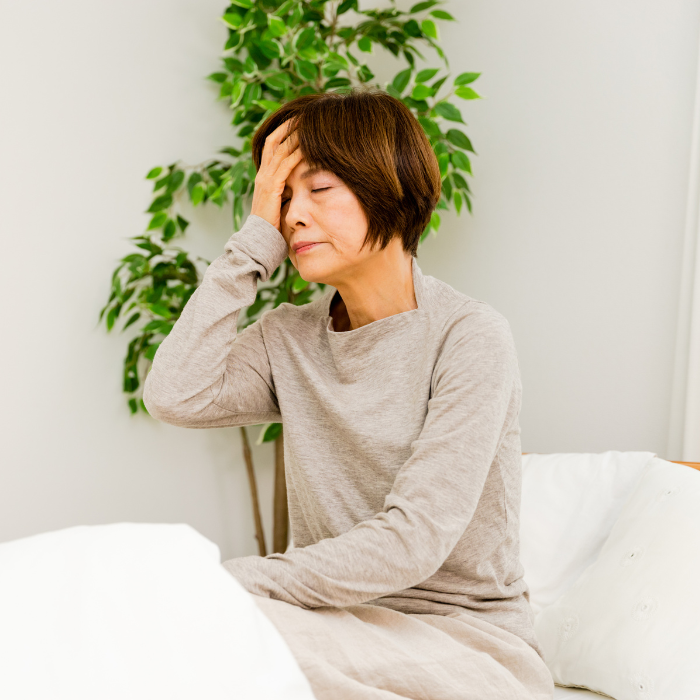
You may wonder whether these changes have something to do with perimenopause.
Menopause-related hormonal changes can contribute to anxiety, especially during perimenopause. But hormones aren't the only possible cause, and anxiety isn't something you should simply accept as part of getting older.
Sleep problems, physical symptoms, everyday stress, and existing mental health conditions can all play a role.
The encouraging news is that anxiety can be treated. Understanding what you're experiencing is a useful first step toward feeling better.
Key Takeaways
- Some women experience new or worsening anxiety during perimenopause.
- Hormonal changes may contribute, but they aren't the only possible cause.
- Poor sleep, hot flashes, everyday stress, and medical conditions can also affect anxiety.
- Anxiety symptoms may include persistent worry, restlessness, tension, palpitations, and trouble concentrating.
- Regular movement, sleep support, relaxation, and social connection may help manage stress.
- CBT is an established treatment for anxiety disorders.
- Prescription medications may help when anxiety is persistent or significantly disruptive.
- Menopausal hormone therapy isn't a first-line treatment for anxiety disorders.
- New, persistent, or severe symptoms deserve medical assessment.
- Professional support is available, and you don't have to wait until anxiety becomes overwhelming.
Can Menopause Cause Anxiety?
Yes. Some women experience new or worsening anxiety during the menopause transition.
Perimenopause is the period leading up to menopause, when the ovaries gradually change how they function.
During this time, estrogen and progesterone levels can fluctuate significantly.
These hormones interact with systems involved in mood, sleep, and the body's response to stress.
Researchers believe these changes may contribute to emotional symptoms in some women.
However, the relationship is complicated.
Hormonal changes may be one contributing factor, but they don't explain every case of anxiety during midlife.
A woman may experience anxiety because of poor sleep, stressful circumstances, an existing anxiety disorder, or a combination of factors.
And some women move through menopause without noticeable anxiety.
What Does Anxiety During Perimenopause Feel Like?
Anxiety doesn't look the same for everyone.
You might feel nervous or restless. Another woman may notice constant worrying, physical tension, or difficulty concentrating.
Common anxiety symptoms include:
- Feeling worried or on edge.
- Difficulty relaxing.
- Racing thoughts.
- Irritability or feeling easily overwhelmed.
- Trouble falling or staying asleep.
- Muscle tension.
- Difficulty concentrating.
- A racing heartbeat or feeling shaky.
- Stomach discomfort or nausea.
These symptoms can occur with anxiety, but they can also have other causes.
For example, a racing heartbeat may occur during a hot flash, with certain medications, or because of a medical condition.
New or unexplained physical symptoms shouldn't automatically be attributed to anxiety.
Why Can Anxiety Become More Noticeable During Perimenopause?
There usually isn't one simple explanation.
Several changes may happen at the same time.
Changing Hormone Levels
Estrogen and progesterone fluctuate during perimenopause.
These changes may influence brain systems involved in emotional regulation.
However, hormone levels vary from day to day, and a single hormone test generally cannot explain why someone is feeling anxious.
The experience is more complicated than simply having too much or too little estrogen.
Hot Flashes and Night Sweats
Frequent hot flashes can be uncomfortable and unpredictable.
Some women become worried about experiencing a hot flash at work, during a social event, or while trying to sleep.
Night sweats may also interrupt sleep, leaving you feeling less able to manage stress the following day.
Treating troublesome hot flashes may improve overall comfort and sleep.
But reducing hot flashes doesn't necessarily treat an anxiety disorder.
Disrupted Sleep
Sleep and anxiety can affect each other.
When you're anxious, it may be harder to fall asleep.
When you don't sleep well, you may feel more irritable, worried, or emotionally sensitive.
This can create a frustrating cycle.
If sleep problems are a major concern, our article How to Sleep Better During Menopause: Practical Steps offers practical guidance.
Everyday Life Stress
Midlife can bring significant responsibilities and changes.
You may be managing work demands, caring for children or aging parents, experiencing relationship changes, or dealing with financial concerns.
These challenges can affect mental well-being regardless of menopause.
When stressful circumstances overlap with disrupted sleep and physical symptoms, anxiety may feel more difficult to manage.
Anxiety or Hot Flash: How Can You Tell?
| Clue | More typical of a hot flash | More typical of anxiety |
|---|---|---|
| Main feeling | Sudden heat, flushing, sweating | Worry, dread, restlessness |
| Timing | Often brief, then fades | May build with thoughts or last longer |
| Triggers | Heat, alcohol, spicy food, stress | Worries, stressful situations |
The two can happen together, and this table is only a rough guide.
Is It Anxiety or a Hot Flash?
Sometimes it's difficult to tell.
A hot flash can cause sudden warmth, sweating, flushing, and a noticeable heartbeat.
Anxiety can also cause sweating, a racing heart, and a feeling of uneasiness.
In some cases, the physical sensation of a hot flash may trigger worry or panic.
But not every racing heartbeat is a hot flash or anxiety.
If you're experiencing new palpitations, dizziness, chest discomfort, or other unexplained symptoms, seek medical assessment.
Chest pain, fainting, or severe shortness of breath require emergency evaluation.
It's important not to overlook a medical condition simply because symptoms began around menopause.
Can Menopause Cause Panic Attacks?
Some women report panic-like symptoms during perimenopause.
A panic attack is a sudden episode of intense fear or discomfort that may include a racing heart, trembling, sweating, shortness of breath, or a feeling of losing control.
Panic attacks can be frightening.
However, these symptoms can overlap with heart, thyroid, and other medical conditions.
If you're experiencing panic-like symptoms for the first time, particularly with chest pain or fainting, seek medical assessment.
If panic attacks are recurring, effective treatments are available.
A healthcare professional or mental health specialist can help determine whether you're experiencing panic attacks, another anxiety condition, or something else.
What's the Difference Between Occasional Worry and an Anxiety Disorder?
Everyone experiences anxiety sometimes.
Feeling nervous before an important meeting or worrying during a stressful situation is part of normal life.
An anxiety disorder involves symptoms that are persistent, difficult to control, or significantly disruptive.
For example, you may find yourself worrying excessively about several areas of life, avoiding activities, or struggling to work or sleep because of anxiety.
The duration and pattern of symptoms matter.
But you don't have to wait until anxiety becomes severe to ask for help.
If worry is regularly affecting your daily life, it's reasonable to discuss it with a healthcare professional.
Anxiety During Perimenopause: What Helps?
There are several ways to manage anxiety during the menopause transition.
The most useful approach depends on how often symptoms occur, how much they're affecting you, and whether other conditions are contributing.
For some women, supportive daily habits make a meaningful difference.
Others benefit from counseling, medication, or a combination of treatments.
1. Build a More Consistent Sleep Routine
Poor sleep can make anxiety feel harder to manage.
Try to keep a reasonably consistent bedtime and wake-up time.
Make your bedroom comfortable, cool, and dark.
If you're frequently waking with night sweats, discuss treatments that may reduce them.
Avoid spending long periods awake in bed struggling to force yourself to sleep.
If insomnia continues, cognitive behavioral therapy for insomnia, or CBT-I, may help.
CBT-I is a structured, evidence-based treatment for chronic insomnia.
2. Stay Physically Active
Regular movement supports physical and mental health.
Walking, swimming, cycling, dancing, or other activities you enjoy can help reduce stress and improve mood.
You don't need an intense exercise program to get started.
Even a short walk can provide a useful break during a stressful day.
The goal is to choose movement that fits your health, abilities, and schedule.
Exercise can support anxiety management, but it shouldn't replace professional treatment when symptoms are persistent or severe.
3. Try Relaxation Techniques
Relaxation techniques can help some people manage physical tension and everyday stress.
Options include:
- Slow, comfortable breathing.
- Gentle stretching.
- Progressive muscle relaxation.
- Guided meditation.
- Mindfulness exercises.
For example, you might spend a few minutes focusing on slow breathing when you notice your shoulders tightening or your thoughts racing.
These approaches don't work equally well for everyone.
If a particular breathing exercise makes you feel lightheaded or more anxious, stop and try another technique.
Relaxation can be helpful, but it isn't a guaranteed cure for an anxiety disorder.
4. Notice Your Personal Triggers
Some women find that caffeine makes them feel jittery or worsens palpitations.
Alcohol may temporarily feel relaxing but can disrupt sleep and sometimes worsen anxiety afterward.
Consider paying attention to how you feel after coffee, energy drinks, or alcoholic beverages.
You don't need to eliminate everything at once.
A simple symptom journal can help identify patterns.
Record when anxiety occurs, how you slept, whether you experienced hot flashes, and anything else that seems relevant.
The goal isn't to monitor every sensation throughout the day.
It's to gather enough information to recognize patterns and discuss them with a healthcare professional.
5. Stay Connected With Other People
Anxiety can make you want to withdraw from social activities.
But supportive relationships can help you feel less isolated.
Consider talking with someone you trust about what you're experiencing.
You might also benefit from a menopause support group or a conversation with a counselor.
You don't have to share private details with everyone.
Choose people who listen respectfully and help you feel supported.
Can Therapy Help Menopause-Related Anxiety?
Yes.
Psychological treatments can be very helpful, particularly when anxiety is persistent or interfering with everyday life.
Cognitive behavioral therapy (CBT) is one of the most established treatments for anxiety disorders.
CBT helps people recognize and respond differently to patterns of thinking and behavior that maintain anxiety.
Treatment may involve learning ways to manage worry, gradually facing situations you've started avoiding, and developing coping skills.
CBT can also be adapted to help women manage distress associated with menopause symptoms.
However, CBT for anxiety and CBT designed to help cope with hot flashes aren't exactly the same treatment.
A qualified mental health professional can help identify the approach that best fits your needs.
Are Medications Available for Anxiety During Menopause?
Yes.
When anxiety is persistent, severe, or affecting daily functioning, medication may be an option.
Certain antidepressant medications, particularly selective serotonin reuptake inhibitors (SSRIs) and serotonin-norepinephrine reuptake inhibitors (SNRIs), are commonly used to treat anxiety disorders.
Some of these medications are also used to treat hot flashes, although the dose, medication choice, and treatment goals may differ.
A healthcare professional can review possible benefits, side effects, interactions, and your medical history.
Medication isn't necessary for everyone.
But needing medication doesn't mean you've failed to manage stress.
It's simply one of several evidence-based treatment options.
Don't start, stop, or change a prescription medication without discussing it with the professional managing your care.
Does Hormone Therapy Help Anxiety?
This is an important question because hormone therapy is often discussed as a solution for menopause-related mood changes.
Systemic menopausal hormone therapy is highly effective for hot flashes and night sweats. (See Hot Flashes and Night Sweats During Menopause: What Can Help for the full range of options.)
When these symptoms improve, some women may sleep better and feel less distressed.
There is also research suggesting that estrogen treatment may affect mood in certain women during the menopause transition.
However, hormone therapy is not an established first-line treatment for an anxiety disorder.
It shouldn't automatically replace counseling or appropriate anxiety medication.
If you're considering hormone therapy, the decision should be based on your menopause symptoms, medical history, and individual benefits and risks.
Our article Hormone Therapy for Menopause: Benefits, Risks, and Questions explains these considerations in more detail.
Can Supplements Help With Menopause Anxiety?
Products marketed for menopause anxiety may contain herbs, vitamins, magnesium, or blends advertised for hormone balance.
But evidence for many of these products is limited.
A supplement that helps correct a genuine nutrient deficiency isn't necessarily an effective treatment for anxiety.
Some herbal products can also interact with prescription medications.
For example, St. John's wort can interact with several medications, including certain antidepressants.
Avoid combining supplements and anxiety medications without checking with a healthcare professional or pharmacist.
And be cautious about products promising to balance hormones, eliminate anxiety, or restore emotional stability.
These claims may go beyond what research supports.
Could Something Other Than Menopause Be Causing Anxiety?
Yes.
This is one reason new or worsening anxiety deserves thoughtful assessment.
Possible contributing conditions include:
- Thyroid disorders.
- Anemia or certain nutrient deficiencies.
- Medication side effects.
- Sleep disorders.
- Heart rhythm problems.
- Depression or an existing anxiety disorder.
- High caffeine or other stimulant intake.
A healthcare professional may ask about your symptoms, sleep, medications, menstrual history, and other health concerns.
Depending on your situation, testing may be appropriate.
You don't necessarily need a large panel of hormone tests.
The goal is to understand your symptoms and identify causes that may need treatment.
When to Get Help for Menopause Anxiety
Consider talking with a healthcare professional if:
- Anxiety is occurring most days.
- You feel unable to control persistent worry.
- You're avoiding activities because of fear or anxiety.
- Sleep problems are affecting your daytime functioning.
- You're having repeated panic attacks or panic-like episodes.
- Anxiety is affecting work, relationships, or daily responsibilities.
- Your symptoms are new, worsening, or difficult to explain.
- You're also experiencing persistent sadness, hopelessness, or loss of interest in activities.
You don't need to wait for a crisis before asking for support.
A primary care professional, gynecologist, or mental health specialist can help you decide what to do next.
When Is Immediate Help Needed?
If you feel unable to stay safe, have thoughts of harming yourself, or are experiencing a mental health crisis, seek immediate support.
In the United States, you can call or text 988 to reach the 988 Suicide & Crisis Lifeline.
If there is immediate danger, call 911 or go to the nearest emergency department.
For sudden chest pain, severe shortness of breath, or fainting, seek emergency medical care rather than assuming the symptoms are anxiety.
Frequently Asked Questions
Can menopause cause anxiety even if you've never had it before?
Yes.
Some women experience anxiety for the first time during perimenopause.
Hormonal changes may contribute, but sleep, stress, and other health conditions can also play a role.
New symptoms deserve evaluation when they're persistent or disruptive.
How long does menopause anxiety last?
There isn't one predictable timeline.
Some women notice symptoms mainly during perimenopause, while others experience anxiety that continues beyond the transition.
Anxiety may also have causes unrelated to menopause.
Persistent symptoms can be treated rather than simply waiting for them to disappear.
Can low estrogen cause anxiety?
Changes in estrogen may influence mood and stress-related brain systems.
However, anxiety can't reliably be diagnosed as a low-estrogen problem based on symptoms or one hormone test.
Several factors may contribute.
What helps anxiety during perimenopause?
Consistent sleep habits, physical activity, supportive relationships, and relaxation techniques may help.
CBT and certain prescription medications are evidence-based treatments when anxiety is persistent or significant.
Is anxiety worse at night during menopause?
It can be.
Night sweats, insomnia, and quiet periods without distractions may make worry more noticeable.
But nighttime anxiety can also occur independently of menopause.
Should you take hormone therapy for menopause anxiety?
Not solely to treat an anxiety disorder.
Hormone therapy may improve hot flashes and night sweats, which can indirectly improve well-being.
The decision to use it should involve an individualized discussion of benefits and risks.
When should you see a doctor for menopause anxiety?
Seek help when anxiety persists, worsens, disrupts sleep or daily activities, or causes repeated panic-like symptoms.
You can ask for help before symptoms become severe.
Finding Support During Menopause
Anxiety during perimenopause can feel confusing, especially if you've always considered yourself a calm or confident person.
You may be dealing with changing sleep patterns, unexpected physical symptoms, and everyday responsibilities all at once.
But you don't have to figure everything out on your own.
Some women benefit from practical changes to their routines. Others need counseling, medication, or treatment for another condition that's contributing to their symptoms.
Anxiety is treatable, and menopause doesn't mean you have to accept feeling constantly worried or overwhelmed.
The most useful next step is to recognize what you're experiencing and seek support that fits your needs.
What Should You Read Next?
If sleep is part of the picture, read How to Sleep Better During Menopause: Practical Steps.
For the full range of options, see Menopause Treatment Options: Hormone and Nonhormonal Choices.
And if you're thinking about supplements, read How to Choose a Menopause Supplement: Evidence and Safety.

Want the Bigger Picture?
Download our free Menopause Living Well Guide for practical information about perimenopause, sleep, mood changes, nutrition, treatment options, and questions to discuss with your healthcare professional.
Understanding what may be happening in your body can help you find support and make informed decisions throughout the menopause transition.
We respect your privacy. No spam. See our Privacy Policy.
Sources
This article is for general educational purposes only and is not medical advice. It is not intended to diagnose, treat, cure, or prevent any condition. Always talk with a qualified healthcare professional about your health.