
Menopause Supplements and Vitamins
Plain-language information on the supplements we mention, what is in them, and the questions to ask before you choose.
Menopause supplements are a popular topic, and for good reason. When hot flashes, poor sleep, mood changes or low energy show up during perimenopause and menopause, it is natural to wonder whether natural menopause supplements or menopause vitamins could help. The honest answer is that it depends on you, your health history and any medications you take.
If you have searched for the best supplements for menopause, you have probably noticed there is no single best choice. Below are the products we mention in our articles and free guide, with the details Immunotec provides for each. Read the ingredients, check how each one is taken, and talk with your healthcare professional before you start anything new.
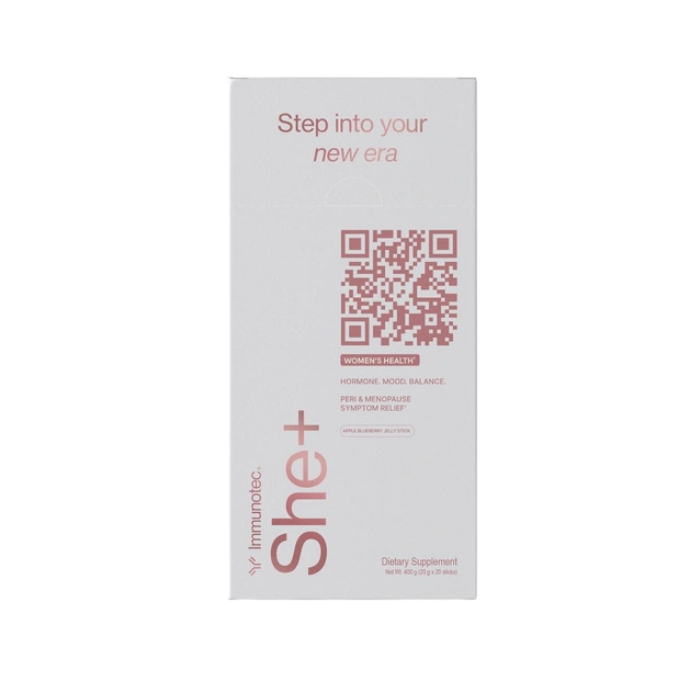
Immunotec She+
Retail: $59
A once-daily apple-blueberry jelly stick made for perimenopause and menopause. Immunotec lists black cohosh, red clover and ginger extract as its key botanicals and describes it as a multi-symptom formula.
- No added sugar and no artificial colors
- Vegan, gluten-free, dairy-free and soy-free
- A dietary supplement, not hormone replacement therapy (HRT)
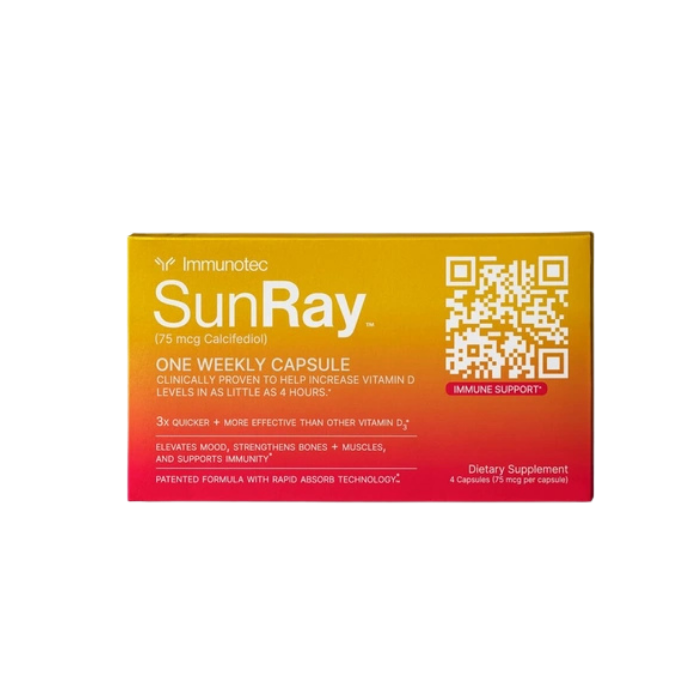
SunRay
Retail: $28
A once-a-week vitamin D capsule made with calcifediol (75 mcg), a form of vitamin D. Bone health is a common topic after menopause, and vitamin D plays a role in how the body uses calcium.
- Taken once a week
- 75 mcg of calcifediol (25-hydroxyvitamin D)
- Easy-to-swallow capsule
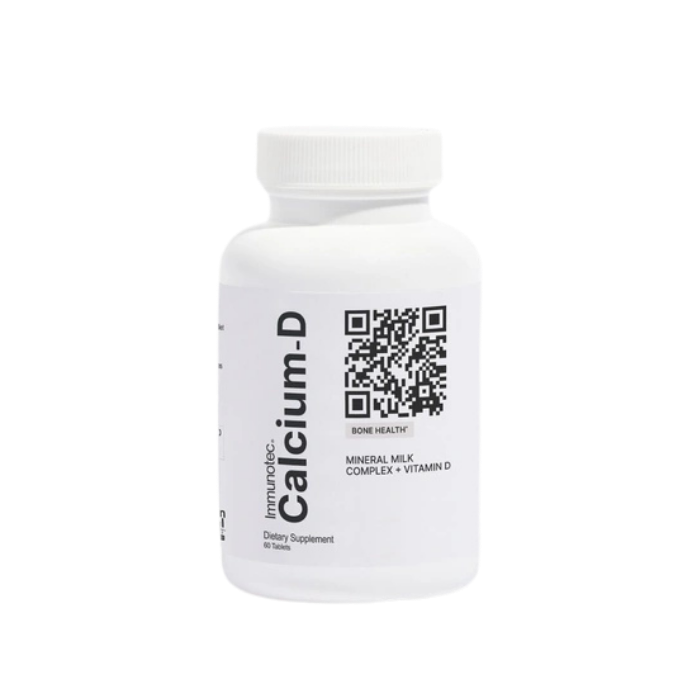
Calcium-D From Milk
Retail: $22
A calcium supplement made from a milk mineral complex, with vitamin D added to support mineral absorption, according to Immunotec.
- Naturally sourced milk mineral complex
- Includes magnesium, phosphate, potassium, zinc and copper
- Made from milk, so check the label if you avoid dairy
How to Choose a Menopause Supplement
Whichever product you are considering, these questions can help you compare menopause supplements and make a more confident choice.
- Read the full ingredient list and the supplement facts panel
- Check how often and in what form you take it
- Look for information on third-party testing
- Ask whether it could interact with your medications
- Be cautious of promises that sound too good to be true
- Talk with your healthcare professional first
Want the full list of questions? Get the free Menopause Living Well Guide, or start with What Is Menopause?
Common Questions
Menopause Supplements: Your Questions Answered
What supplements help with menopause?
Some women look at plant-based (botanical) supplements such as black cohosh or red clover, and at nutrients like calcium and vitamin D for bone health. Research on supplements for menopause symptoms is mixed, and what works for one woman may not work for another. Your healthcare professional can help you weigh the options for your situation.
What are the best supplements for menopause?
There is no single best supplement for everyone. The best choice depends on your symptoms, health history and any medications you take. Compare the full ingredient lists, check how often and in what form each one is taken, look for information on third-party testing, and ask your healthcare professional before you buy.
Are menopause supplements safe?
Dietary supplements are not reviewed by the FDA for safety and effectiveness before they are sold, the way medications are. Some ingredients are not right for everyone or can interact with medications. For example, certain botanicals, including black cohosh, are not a good fit for some people, so ask your healthcare professional first and stop and call them if you notice any side effects.
Can I take menopause supplements with HRT?
Do not combine them on your own. Some supplements can interact with prescription medicines, including hormone therapy (HRT), or overlap with what your treatment already does. Tell your doctor or pharmacist about every supplement you take or plan to take.
What vitamins should I take during menopause?
There is no standard list that fits every woman. Vitamin D and calcium come up most often because bone health matters after menopause, and many women get some from food. Your healthcare professional can tell you whether you need more, and a blood test can show your vitamin D level.
Affiliate disclosure: Menopause Living Well is independent. Some of the links on this page are affiliate links, which means we may earn a commission if you buy through them. Product information comes from the manufacturer, Immunotec. Please read our Affiliate Disclosure and talk with your healthcare professional before starting any supplement.
*These statements have not been evaluated by the Food and Drug Administration. These products are not intended to diagnose, treat, cure, or prevent any disease.