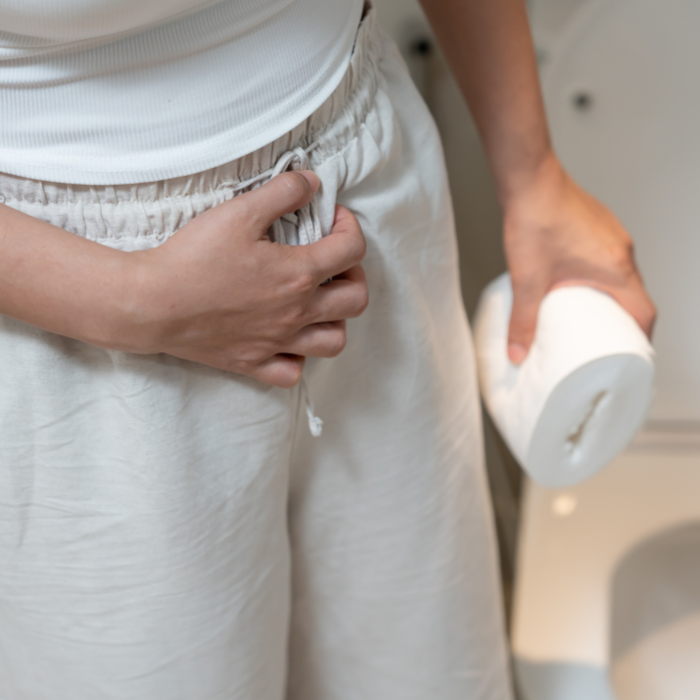
Perhaps you're waking up several times during the night because you need to urinate.
If these changes have started during perimenopause or menopause, you may wonder whether hormones are responsible.
Bladder problems during menopause are common, but they aren't always caused by menopause. Changes in estrogen, pelvic floor muscles, medications, and other health conditions can all play a role.
The good news is that treatments are available. You don't have to accept leaking urine or constant bathroom trips as an unavoidable part of getting older.
Understanding the type of problem you're experiencing is the first step toward getting the right help.
Key Takeaways
- Bladder problems during menopause can include urine leakage, urgency, frequent urination, and nighttime bathroom trips.
- Hormonal changes may contribute, but menopause isn't the only possible cause.
- Stress incontinence involves leakage during coughing, laughing, or physical activity.
- Urgency incontinence involves leakage after a sudden, strong need to urinate.
- Pelvic floor therapy and bladder training are important treatment options.
- Drinking too little water may make symptoms worse rather than better.
- Prescription medications, support devices, and procedures can help selected women.
- Low-dose vaginal estrogen may improve certain GSM-related urinary symptoms and reduce recurrent UTIs.
- Blood in the urine, signs of kidney infection, and difficulty urinating need prompt medical attention.
- Effective treatment is available, and bladder symptoms deserve to be discussed.
Why Can Bladder Problems Happen During Menopause?
Your bladder stores urine until you're ready to use the bathroom.
Several muscles and nerves work together to help you hold and release urine at the right time.
The pelvic floor muscles support the bladder and other pelvic organs. The urethra is the tube that carries urine out of the body.
During menopause, lower estrogen levels can affect tissues around the vagina and urinary tract.
These changes may contribute to urinary discomfort, urgency, or repeated urinary tract infections.
But hormones are only part of the picture.
Pregnancy and childbirth, aging, pelvic surgery, constipation, certain medications, and other medical conditions can also affect bladder control.
Sometimes several factors are involved.
The important point is that urinary symptoms need to be understood rather than automatically blamed on menopause.
What Are the Most Common Bladder Problems During Menopause?
Bladder problems can show up in different ways.
Some women leak urine when they cough or exercise. Others experience a sudden need to urinate, even when their bladder isn't very full.
You may also have more than one type of symptom.
1. Stress Urinary Incontinence
Stress urinary incontinence means leaking urine when pressure is placed on the bladder.
You might notice leakage when you:
- Cough or sneeze.
- Laugh.
- Jump or run.
- Lift something heavy.
- Exercise.
The word stress refers to physical pressure, not emotional stress.
This type of leakage often occurs when the muscles and tissues supporting the bladder and urethra aren't providing enough support.
Childbirth, aging, and other factors can contribute.
2. Urgency Urinary Incontinence
Urgency urinary incontinence happens when you suddenly feel a strong need to urinate and leak before reaching the bathroom.
You may feel fine one moment and then have very little warning.
This can be especially frustrating when you're away from home or somewhere without easy bathroom access.
Urgency leakage is often associated with an overactive bladder.
3. Overactive Bladder
Overactive bladder is a condition involving sudden urinary urgency, usually with frequent urination and sometimes waking at night to urinate.
Some women with overactive bladder leak urine. Others don't.
This is an important distinction.
You can have urinary urgency without having urinary incontinence.
Overactive bladder symptoms should be evaluated to make sure an infection or another condition isn't responsible.
4. Mixed Urinary Incontinence
Some women experience both stress and urgency leakage.
For example, you may leak when laughing and also struggle to reach the bathroom when a sudden urge occurs.
This is called mixed urinary incontinence.
Treatment may need to address both problems.
Which Type of Leakage Do You Have?
| Type | What it feels like | Common first steps |
|---|---|---|
| Stress incontinence | Leaking with coughing, laughing, or exercise | Pelvic floor therapy and exercises |
| Urgency incontinence | Sudden strong urge, then leaking | Bladder training, medication |
| Overactive bladder | Urgency and frequency, with or without leaking | Bladder training, evaluation for infection |
| Mixed incontinence | Both stress and urgency leakage | A plan that covers both |
Is Urinary Urgency After Menopause Normal?
Urinary urgency can become more noticeable with age and around menopause.
But common doesn't mean it should be ignored.
Urgency means feeling a sudden, difficult-to-delay need to urinate.
It may happen when you're unlocking your front door, hearing running water, or approaching a bathroom.
Sometimes the urge occurs even when your bladder contains relatively little urine.
Several conditions can cause or contribute to urgency, including overactive bladder, urinary tract infections, and changes associated with menopause.
If urgency is new, persistent, or affecting your activities, discuss it with a healthcare professional.
There may be an effective way to reduce it.
Why Am I Waking Up to Urinate at Night?
Waking from sleep to urinate is called nocturia.
It can become more common as people get older, but menopause isn't the only possible explanation.
Nighttime urination may be related to:
- Overactive bladder.
- Drinking large amounts of fluid close to bedtime.
- Certain medications, including diuretics.
- Sleep apnea or other sleep disorders.
- Diabetes or other medical conditions.
- Increased urine production during the night.
Sometimes a woman wakes because of a hot flash or another sleep disturbance and then decides to use the bathroom.
In that situation, the bladder may not be what originally woke her.
If you're waking repeatedly to urinate, it's worth discussing both your bladder symptoms and your sleep.
Our article How to Sleep Better During Menopause: Practical Steps explores other reasons sleep may be disrupted.
Can Low Estrogen Affect Your Bladder?
Yes, lower estrogen levels can contribute to changes in the tissues around the vagina and urinary tract.
These changes are part of a condition called genitourinary syndrome of menopause, or GSM.
GSM can involve:
- Vaginal dryness.
- Burning or irritation.
- Pain during sex.
- Urinary urgency.
- Certain urinary discomforts.
- Recurrent urinary tract infections.
However, GSM isn't the only explanation for these symptoms.
The 2025 American Urological Association guideline emphasizes that urinary symptoms associated with GSM can overlap with other conditions, including overactive bladder.
A healthcare professional may need to evaluate more than one possible cause.
For a closer look at vaginal symptoms, read Vaginal Dryness During Menopause: Comfort and Treatment Options.
Could It Be a Urinary Tract Infection?
Yes.
A urinary tract infection, or UTI, can cause symptoms that resemble overactive bladder.
A bladder infection may cause:
- Burning or pain when urinating.
- A frequent need to urinate.
- Sudden urgency.
- Lower abdominal discomfort.
- Cloudy or bloody urine.
A UTI is usually caused by bacteria.
If you have symptoms suggesting an infection, contact a healthcare professional for assessment.
Testing may include a urine sample.
Don't assume new burning, pain, or urgency is simply another menopause symptom.
An untreated bladder infection can sometimes spread to the kidneys.
Fever, chills, vomiting, or pain in the back or side may signal a kidney infection and require prompt medical attention.
What Helps Leaking Urine During Menopause?
The right treatment depends on why leakage is happening.
A woman who leaks while coughing may benefit from a different approach than someone who experiences sudden urgency.
Fortunately, several treatments can help.
1. Pelvic Floor Physical Therapy
Your pelvic floor is a group of muscles that supports the bladder, uterus, and bowel.
These muscles help control urine flow.
When the pelvic floor is weak or poorly coordinated, leakage may occur.
Pelvic floor physical therapy can help you learn how to use these muscles effectively.
A trained therapist can assess whether your muscles need strengthening, relaxation, or better coordination.
This matters because not every pelvic floor problem is caused by weakness.
Some women have pelvic floor muscles that are overly tense.
For them, doing more strengthening exercises without an assessment may worsen discomfort.
2. Pelvic Floor Exercises
Pelvic floor exercises, often called Kegel exercises, involve tightening and relaxing the muscles that help control urine flow.
They can be effective for stress urinary incontinence.
A simple starting approach involves gently contracting the pelvic floor muscles, holding briefly, and then fully relaxing.
However, technique matters.
Avoid holding your breath, tightening your entire abdomen, or straining.
Don't routinely practice these exercises while urinating, because not emptying your bladder completely can raise the risk of a bladder infection.
If you're unsure whether you're using the right muscles, a pelvic floor physical therapist can help.
NIDDK says you may not notice better bladder control until after 3 to 6 weeks, and suggests building up to 10 to 15 repetitions per session, with each squeeze held for about 3 seconds.
3. Bladder Training
Bladder training is particularly useful for urinary urgency and overactive bladder.
It involves gradually changing your bathroom habits to help you tolerate longer intervals between trips.
For example, a healthcare professional may help you develop a schedule based on your current urination pattern.
Over time, the intervals may be increased gradually.
Bladder training may also include techniques to manage a sudden urge, such as pausing, breathing calmly, and using appropriate pelvic floor contractions.
The goal isn't to force yourself to hold urine for an uncomfortable amount of time.
It's to improve bladder control safely and gradually.
Can Drinking Less Water Help?
Not necessarily.
If you're worried about leaking urine, you may be tempted to drink as little water as possible.
But severely restricting fluids can lead to dehydration and concentrated urine, which may irritate the bladder.
Instead, aim for appropriate hydration based on your health, activity level, and circumstances.
Some women benefit from spreading fluid intake throughout the day.
If nighttime urination is a problem, adjusting evening fluid intake may help, but this should be individualized.
You don't need to stop drinking water to manage bladder symptoms.
Does Caffeine Make Bladder Problems Worse?
Caffeine can increase urinary urgency or frequency in some people.
Coffee, tea, energy drinks, and certain soft drinks may contain caffeine.
If you notice that your symptoms become worse after caffeinated drinks, consider reducing your intake gradually and observing whether it helps.
Alcohol may also increase urine production and contribute to nighttime bathroom trips.
However, not every woman reacts the same way.
You don't need to eliminate every beverage you enjoy without a clear reason.
A short symptom diary can help identify whether certain drinks are contributing to your bladder problems.
Can Constipation Make Bladder Symptoms Worse?
Yes.
Constipation can place additional pressure on the bladder and affect pelvic floor function.
If you're regularly straining during bowel movements, addressing constipation may help your bladder symptoms too.
Helpful steps may include:
- Eating fiber-rich foods.
- Drinking enough fluids.
- Staying physically active within your abilities.
- Discussing persistent constipation with a healthcare professional.
These habits support digestive health as well as bladder comfort.
What Medical Treatments Are Available?
If lifestyle measures and pelvic floor treatment aren't enough, other options may help.
Treatment depends on the type and severity of your symptoms.
Medications for Overactive Bladder
Certain prescription medications help reduce urgency and urgency-related leakage.
Two commonly used medication groups are:
Antimuscarinic (anticholinergic) medications: These help reduce unwanted bladder muscle contractions.
Possible side effects include dry mouth and constipation (NIDDK notes constipation for this group). Some medications in this group may also raise concerns about cognitive side effects, especially with long-term use in older adults.
Beta-3 agonists: These help the bladder relax so it can store urine more comfortably.
Some can affect blood pressure or interact with other medications.
A healthcare professional can explain which option may be suitable.
Pessaries and Other Support Devices
For some women with stress urinary incontinence, a vaginal pessary may help.
A pessary is a removable device placed inside the vagina to support pelvic structures.
Certain devices can help reduce urine leakage during activities that increase pressure on the bladder.
A healthcare professional can discuss fitting, use, and care.
Procedures for Persistent Symptoms
When symptoms remain troublesome despite other treatments, additional options may be available.
For urgency incontinence or overactive bladder, these may include bladder injections of botulinum toxin or treatments that stimulate nerves involved in bladder control.
For stress incontinence, options may include urethral bulking injections or surgery.
These procedures have different benefits and risks.
They aren't necessary for everyone, but they may be helpful when less invasive treatments haven't provided enough relief.
Can Vaginal Estrogen Help Bladder Symptoms?
For some women, yes.
Low-dose vaginal estrogen is used to treat genitourinary syndrome of menopause.
Research suggests that it may improve certain urinary symptoms associated with GSM, including urgency.
It also has evidence for reducing recurrent urinary tract infections in peri- and postmenopausal women when appropriate.
However, vaginal estrogen isn't a universal treatment for every type of urinary leakage.
Stress incontinence caused by inadequate bladder support may require pelvic floor treatment or another approach.
And systemic estrogen therapy isn't recommended specifically as a treatment for urinary incontinence.
If you have vaginal dryness along with bladder symptoms, ask whether local vaginal estrogen could be useful.
Women with a history of hormone-sensitive cancer need individualized advice about treatment options.
How Does a Doctor Diagnose Bladder Problems?
A healthcare professional will usually begin by asking about your symptoms.
They may want to know:
- When the bladder problem started.
- Whether you leak urine during activity or after sudden urgency.
- How often you urinate during the day and night.
- Whether you have burning, pain, or blood in your urine.
- What medications you're taking.
- Whether you've had childbirth, pelvic surgery, or other relevant health conditions.
Depending on your symptoms, the evaluation may include a physical examination, urine testing, or an assessment of how well your bladder empties.
You may also be asked to keep a bladder diary.
What Is a Bladder Diary?
A bladder diary is a simple record of your bathroom habits.
For a few days, you may track:
- When you drink fluids.
- When you urinate.
- When you feel sudden urgency.
- When leakage occurs.
- Whether you wake at night to urinate.
This can help identify patterns and guide treatment.
You don't need to record every bathroom visit indefinitely.
A short record is often enough to start a useful conversation.
When Should You See a Doctor for Bladder Problems?
Make an appointment if you're experiencing:
- Frequent urine leakage.
- Sudden urgency that interferes with daily activities.
- Repeated nighttime bathroom trips.
- Difficulty starting urination or emptying your bladder.
- Recurrent urinary tract infections.
- Persistent pelvic discomfort.
- New bladder symptoms that don't have a clear explanation.
You should also seek medical evaluation if bladder symptoms are affecting your sleep, confidence, work, or relationships.
Warning Signs That Need Prompt Attention
Blood in your urine should always be evaluated, even if you don't have pain.
Burning urination with fever, chills, vomiting, or back or side pain may indicate a more serious infection.
Seek urgent care if you develop these symptoms.
An inability to urinate, especially with significant lower abdominal pain, also requires urgent medical attention.
Sudden loss of bladder control together with new leg weakness, numbness around the groin, or severe back pain can signal a neurological emergency and requires immediate evaluation.
Frequently Asked Questions
Is leaking urine normal during menopause?
Urine leakage is common during midlife, but it shouldn't be considered something you simply have to accept.
Pelvic floor therapy, bladder training, medications, and other treatments may help.
Can menopause cause an overactive bladder?
Hormonal changes during menopause may contribute to urinary urgency and other symptoms.
However, overactive bladder can also occur for reasons unrelated to menopause.
What helps urinary urgency after menopause?
Bladder training, pelvic floor therapy, and certain prescription medications can help.
Low-dose vaginal estrogen may also be useful for some women with GSM-related urinary symptoms.
Do Kegel exercises help with bladder leakage?
They can help, particularly with stress urinary incontinence.
However, proper technique matters, and strengthening exercises aren't appropriate for every pelvic floor problem.
Can vaginal estrogen prevent urinary tract infections?
For selected peri- and postmenopausal women with recurrent UTIs, low-dose vaginal estrogen can reduce the risk of future infections.
It doesn't replace antibiotics when a bacterial infection requires treatment.
Why do I leak urine when I sneeze?
Leaking during coughing, sneezing, laughing, or exercise is often a sign of stress urinary incontinence.
A healthcare professional can assess the cause and discuss pelvic floor treatment or other options.
You Don't Have to Live With Bladder Problems
Bladder changes during menopause can be frustrating.
You may find yourself planning outings around bathroom access, avoiding exercise because of leakage, or waking repeatedly during the night.
But these problems aren't something you have to accept without help.
Different symptoms have different causes, and there are treatments that can make a meaningful difference.
The first step is talking about what's happening and getting the right evaluation.
Your bladder health is an important part of your overall well-being, and it's worth taking seriously.
What Should You Read Next?
For the vaginal side of GSM, read Vaginal Dryness During Menopause: Comfort and Treatment Options.
If nighttime bathroom trips are disrupting your rest, read How to Sleep Better During Menopause: Practical Steps.
For the full range of options, see Menopause Treatment Options: Hormone and Nonhormonal Choices.

Want the Bigger Picture?
Download our free Menopause Living Well Guide for practical information about menopause symptoms, vaginal health, sleep, nutrition, treatment options, and preparing questions for your healthcare professional.
Understanding your symptoms is the first step toward finding support that fits your needs.
We respect your privacy. No spam. See our Privacy Policy.
Sources
This article is for general educational purposes only and is not medical advice. It is not intended to diagnose, treat, cure, or prevent any condition. Always talk with a qualified healthcare professional about your health.