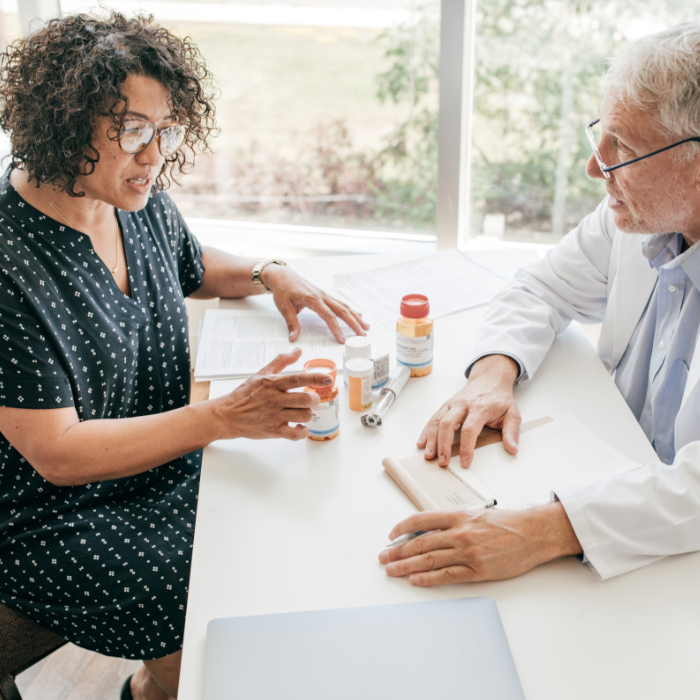
You might wonder whether these changes are simply another part of getting older.
Vaginal dryness during menopause is common, but it doesn't mean you have to live with discomfort. Moisturizers, lubricants, and prescription treatments can provide relief.
The important thing is understanding what's causing your symptoms and which treatment may help.
And if you're uncomfortable talking about vaginal health, you're not alone. It's a normal part of your health, and it's worth discussing.
Key Takeaways
- Vaginal dryness during menopause is often related to declining estrogen levels.
- Genitourinary syndrome of menopause, or GSM, can also involve irritation, painful sex, and certain urinary symptoms.
- Vaginal moisturizers help with ongoing dryness, while lubricants reduce friction during sexual activity.
- Low-dose vaginal estrogen is an effective treatment for persistent estrogen-related vaginal symptoms.
- Prescription options also include vaginal prasterone and oral ospemifene for selected patients.
- Vaginal dryness and painful sex can have causes other than menopause.
- Vaginal laser and rejuvenation procedures lack strong long-term evidence for routine treatment.
- Persistent symptoms deserve medical attention.
- Any vaginal bleeding after menopause should be evaluated promptly.
Why Does Vaginal Dryness Happen During Menopause?
Estrogen helps keep vaginal tissues healthy, flexible, and naturally lubricated.
During perimenopause and menopause, estrogen levels change and eventually become lower.
As a result, the tissues inside and around the vagina may become thinner, drier, and less elastic.
This can make everyday activities uncomfortable.
You might notice irritation when walking, wearing certain clothing, or using the bathroom.
Sexual activity may also become uncomfortable because there's less natural lubrication.
These changes are sometimes called vaginal atrophy, but healthcare professionals increasingly use a broader term: genitourinary syndrome of menopause, or GSM.
GSM describes a group of vaginal, vulvar, and urinary symptoms associated with lower hormone levels.
Unlike hot flashes, which often become less frequent over time, vaginal tissue symptoms may continue or worsen without treatment.
What Are the Symptoms of Vaginal Dryness?
Vaginal dryness doesn't always feel the same for everyone.
Some women notice mild irritation. Others experience symptoms that interfere with sleep, exercise, relationships, or daily comfort.
Possible symptoms include:
- Dryness inside the vagina.
- Burning, itching, or irritation.
- Discomfort around the vaginal opening.
- Pain or friction during sexual activity.
- Reduced natural lubrication.
- Tenderness or sensitivity in the vulva, the external genital area.
- Occasional discomfort when urinating.
Some women also experience urinary urgency or repeated urinary tract infections.
These symptoms can overlap with GSM, but they can also have other causes.
You don't need to experience every symptom to benefit from treatment.
Is Vaginal Dryness the Same as GSM?
Not exactly.
Vaginal dryness is one symptom.
Genitourinary syndrome of menopause is the broader name for changes that can affect the vagina, vulva, and lower urinary tract.
GSM may involve dryness, burning, irritation, painful sex, and certain urinary symptoms.
This distinction matters because treatment may need to address more than lubrication.
For example, a lubricant may reduce friction during sex but won't necessarily treat ongoing tissue changes.
A woman with repeated urinary symptoms may also need testing for infection or another bladder condition.
Not every vaginal or urinary symptom during menopause is caused by low estrogen.
A healthcare professional can help identify the cause.
What Helps Vaginal Dryness During Menopause?
There are several ways to manage vaginal dryness.
Some treatments are available without a prescription, while others require a healthcare professional.
The right choice depends on how severe your symptoms are, whether they're persistent, and whether you have other health concerns.
| Treatment | What it does | Best use |
|---|---|---|
| Vaginal moisturizer | Adds moisture and reduces ongoing dryness | Regular comfort |
| Personal lubricant | Reduces friction | Sexual activity |
| Low-dose vaginal estrogen | Treats estrogen-related tissue changes | Persistent dryness and irritation |
| Prescription vaginal DHEA | Helps certain menopause-related vaginal symptoms | Selected cases of dryness or painful sex |
| Oral ospemifene | Acts on estrogen receptors in certain tissues | Selected cases of painful sex or vaginal dryness |
Let's look at these options more closely.
1. Vaginal Moisturizers for Everyday Comfort
Vaginal moisturizers are nonprescription products designed to help relieve dryness.
Unlike lubricants, they're usually used on a regular schedule rather than only during sexual activity.
Depending on the product, a moisturizer may be used several times a week.
Some are designed for use inside the vagina. Others are intended for the external vulvar area.
Read the product instructions so you know where and how it should be used.
What Should You Look For?
Consider choosing a product specifically designed for vaginal or vulvar use.
Fragrance-free products may be less irritating for sensitive tissues.
If a product causes burning, itching, or worsening irritation, stop using it and ask a healthcare professional for advice.
Some moisturizers contain ingredients such as hyaluronic acid or polycarbophil that help retain moisture.
These products may improve comfort, but they don't necessarily reverse the tissue changes caused by lower estrogen.
How Long Should You Try a Moisturizer?
Some women notice relief fairly quickly.
Others may need regular use to see whether a product is helpful.
If dryness remains bothersome after several weeks, or if symptoms are worsening, discuss additional treatment options. ACOG suggests seeing an ob-gyn if irritation and pain during sex don't improve after two months of use.
You don't have to keep trying different products indefinitely.
2. Lubricants for Painful Sex After Menopause
If sex has become uncomfortable because of dryness or friction, a personal lubricant may help.
Lubricants work by reducing friction during sexual activity.
They can be useful even if you're also using a vaginal moisturizer.
Water-Based Lubricants
Water-based lubricants are widely available and generally compatible with condoms. ACOG generally prefers them to oil-based products.
They may need to be reapplied during longer periods of activity.
Some products contain fragrances or other ingredients that can irritate sensitive tissues, so choose carefully.
Silicone-Based Lubricants
Silicone-based lubricants often last longer and may provide more sustained lubrication.
They can be helpful when dryness is significant.
Check compatibility with any sex toys or other products you're using, because silicone lubricants may not be suitable for every material.
What About Oils?
Oil-based products may damage latex condoms and increase the risk of condom breakage.
Some oils can also irritate sensitive tissues.
If you're using condoms for pregnancy prevention or protection against sexually transmitted infections, check that your lubricant is compatible.
Lubricants can make sex more comfortable, but persistent pain deserves medical attention.
Pain may have more than one cause, and lubrication alone may not solve it.
3. Low-Dose Vaginal Estrogen
For persistent vaginal dryness, low-dose vaginal estrogen is one of the most effective established treatments.
It delivers estrogen directly to the affected tissues.
This can help improve vaginal moisture, tissue thickness, flexibility, and comfort.
ACOG notes that vaginal estrogen delivers less estrogen than typical hormone therapy and has fewer risks. Low-dose vaginal estrogen is available in several forms:
- Vaginal creams.
- Vaginal tablets or inserts.
- Certain low-dose vaginal rings, which release estrogen over about 90 days.
Your healthcare professional can help you choose a form that fits your needs.
Is Vaginal Estrogen the Same as Hormone Therapy for Hot Flashes?
No.
Systemic hormone therapy is designed to deliver estrogen throughout the body.
It is commonly used for hot flashes and night sweats.
Low-dose vaginal estrogen mainly treats local vaginal and certain urinary symptoms.
It generally produces much lower estrogen exposure throughout the body.
Because of this difference, low-dose vaginal estrogen has a different risk profile from systemic hormone therapy.
Women using low-dose vaginal estrogen are generally not given an added progestogen when the treatment is used as directed, but ask your healthcare professional whether this applies to you.
However, any unexpected vaginal bleeding still needs medical evaluation.
How Long Does Vaginal Estrogen Take to Work?
Some women notice improvement within a few weeks.
More complete improvement may take longer.
Your healthcare professional may recommend an initial treatment schedule followed by maintenance use.
Because estrogen-related vaginal tissue changes can persist after menopause, ongoing treatment may be appropriate for some women.
There isn't one treatment duration that fits everyone.
4. Other Prescription Treatments
Low-dose vaginal estrogen isn't the only prescription option.
Depending on your symptoms and medical history, other treatments may be considered.
Vaginal DHEA (Prasterone)
Prasterone is a prescription vaginal insert containing dehydroepiandrosterone, or DHEA.
The body can convert DHEA into small amounts of estrogen and androgen within tissues.
Prescription vaginal prasterone is used to treat moderate to severe painful sex related to menopause.
Research also supports improvement in some vaginal dryness symptoms.
This is different from buying an over-the-counter DHEA supplement.
The dose, delivery method, and evidence are not interchangeable.
Ospemifene
Ospemifene is an oral prescription medication.
It belongs to a group of medications called selective estrogen receptor modulators, or SERMs.
These medications have estrogen-like effects in some tissues and different effects in others.
Ospemifene can help selected women with moderate to severe painful sex or vaginal dryness associated with menopause.
It also has important precautions, including warnings about blood clots and effects on the uterine lining.
Your healthcare professional can help determine whether it is appropriate.
Can You Use Vaginal Estrogen if You've Had Breast Cancer?
This question deserves an individual discussion.
Women with a history of estrogen-dependent breast cancer may have additional concerns about hormone exposure.
Nonhormonal moisturizers and lubricants are generally considered first-line options.
If those treatments don't provide enough relief, low-dose vaginal estrogen may be considered for some women after discussing potential benefits and risks.
The decision may involve your gynecologist, oncologist, and other members of your healthcare team.
This is particularly important if you're taking medications such as aromatase inhibitors.
A history of breast cancer doesn't mean you should ignore vaginal symptoms, but treatment choices need careful medical guidance.
Can Vaginal Dryness Cause Pain During Sex?
Yes.
When vaginal tissues become thinner and less elastic, friction during sexual activity may cause discomfort.
Some women describe burning, tightness, or soreness.
Others notice pain near the vaginal opening.
But painful sex after menopause isn't always caused by dryness alone.
Other possible causes include:
- Pelvic floor muscle tension.
- Skin conditions affecting the vulva.
- Vaginal or urinary infections.
- Scar tissue or other physical changes.
- Pain conditions involving the pelvic area.
If sex has become painful, don't feel that you need to push through it.
A healthcare professional can help identify the cause and discuss treatment.
What Else May Help?
Taking more time for arousal and using an appropriate lubricant may improve comfort.
Choosing activities that don't cause pain can also help.
If pelvic floor muscles are contributing to discomfort, pelvic floor physical therapy may be useful.
A trained pelvic floor therapist can assess muscle tension, coordination, and other factors.
The goal is comfortable intimacy, not forcing your body to tolerate pain.
What About Vaginal Lasers and Rejuvenation Treatments?
You may see clinics advertising vaginal laser treatments, radiofrequency procedures, or vaginal rejuvenation.
These treatments are sometimes promoted as ways to restore vaginal moisture or improve sexual function.
However, the evidence for their long-term effectiveness and safety in treating GSM remains limited.
Professional guidelines do not recommend energy-based vaginal treatments as routine care for menopause-related vaginal dryness outside appropriate research settings.
Potential harms may include burns, scarring, and pain.
Be cautious about paying for expensive procedures that promise permanent results.
Established treatments, including moisturizers and low-dose vaginal estrogen, have stronger supporting evidence.
Can Supplements or Natural Remedies Treat Vaginal Dryness?
There is no good evidence that a particular menopause supplement reliably reverses vaginal tissue changes caused by low estrogen.
Products marketed for hormone balance, vaginal rejuvenation, or natural lubrication may make claims that aren't supported by clinical research.
Some supplements can also interact with prescription medications.
Avoid putting essential oils, herbal mixtures, or other untested products inside the vagina.
Sensitive vaginal tissues can become irritated, and certain products may interfere with the normal vaginal environment.
If you're considering a supplement, discuss it with a healthcare professional or pharmacist.
For help evaluating claims, read How to Choose a Menopause Supplement: Evidence and Safety. For the full range of options, see Menopause Treatment Options: Hormone and Nonhormonal Choices, and for systemic treatment, Hormone Therapy for Menopause: Benefits, Risks, and Questions.
When Should You See a Doctor for Vaginal Dryness?
Mild dryness may improve with nonprescription moisturizers or lubricants.
But persistent symptoms deserve attention.
Make an appointment if:
- Dryness or irritation is affecting daily comfort.
- Sex has become painful.
- Nonprescription products aren't helping.
- You have repeated urinary symptoms.
- You notice unusual vaginal discharge or odor.
- You have persistent itching, burning, sores, or visible skin changes.
- Symptoms are interfering with relationships or quality of life.
A healthcare professional may ask about your symptoms, medications, and medical history.
They may also recommend an examination or testing to rule out infection, skin conditions, or other causes.
What About Bleeding?
Bleeding after sex should be evaluated, even when dryness seems like the likely cause.
Any vaginal bleeding after confirmed menopause requires prompt medical evaluation, including light spotting.
Don't assume that dryness or friction explains postmenopausal bleeding without having it checked.
Our article Bleeding After Menopause: Why It Needs Medical Attention explains why this matters.
Frequently Asked Questions
Is vaginal dryness normal during menopause?
Vaginal dryness is common during and after menopause because estrogen levels decline.
But common doesn't mean you have to tolerate it. Several treatments can help.
What helps vaginal dryness during menopause naturally?
Nonhormonal vaginal moisturizers and lubricants can help improve comfort.
Avoid irritating products and seek medical advice if symptoms continue.
There is no proven natural remedy that reliably reverses estrogen-related vaginal tissue changes.
Is vaginal estrogen safe for long-term use?
Low-dose vaginal estrogen has a well-established role in treating GSM and may be used long-term when appropriate.
Its safety considerations differ from systemic hormone therapy.
Your healthcare professional can help review your individual circumstances.
Can vaginal dryness go away on its own?
Symptoms may vary, but estrogen-related vaginal tissue changes often persist after menopause without treatment.
If dryness is bothersome, effective options are available.
Does vaginal dryness mean you have an infection?
Not necessarily.
Dryness can result from hormonal changes, but infections and skin conditions can cause similar symptoms.
Unusual discharge, odor, sores, or persistent irritation should be assessed.
Can you have painful sex even when using lubricant?
Yes.
Lubricant reduces friction, but pain can also result from tissue changes, pelvic floor problems, or other conditions.
Persistent pain deserves evaluation rather than simply trying more lubricant.
You Don't Have to Accept Vaginal Discomfort
Vaginal dryness may be a common part of menopause, but that doesn't make it something you have to ignore.
For some women, a simple moisturizer or lubricant provides enough relief.
Others benefit from low-dose vaginal estrogen or another prescription treatment.
And when pain or irritation has more than one cause, a healthcare professional can help identify the right approach.
Your comfort and sexual health matter at every stage of life.
You deserve accurate information, effective options, and the opportunity to discuss your concerns without embarrassment.
What Should You Read Next?
For the full range of options, see Menopause Treatment Options: Hormone and Nonhormonal Choices.
If you're weighing systemic treatment, read Hormone Therapy for Menopause: Benefits, Risks, and Questions.
And if bleeding is part of the picture, read Bleeding After Menopause: Why It Needs Medical Attention.

Want the Bigger Picture?
Download our free Menopause Living Well Guide for practical information about menopause symptoms, treatment options, sleep, nutrition, and questions to discuss with your healthcare professional.
Understanding your options can help you feel more comfortable and confident throughout menopause.
We respect your privacy. No spam. See our Privacy Policy.
Sources
- ACOG: Experiencing Vaginal Dryness? Here's What You Need to Know
- ACOG: Vulvovaginal Health
- ACOG: Can I Use Topical Estrogen Long-Term for Vaginal Dryness and Painful Sex?
- 2025 AUA/SUFU/AUGS Guideline: Genitourinary Syndrome of Menopause
- ACOG: Treatment of Urogenital Symptoms in Individuals With a History of Estrogen-Dependent Breast Cancer
This article is for general educational purposes only and is not medical advice. It is not intended to diagnose, treat, cure, or prevent any condition. Always talk with a qualified healthcare professional about your health.