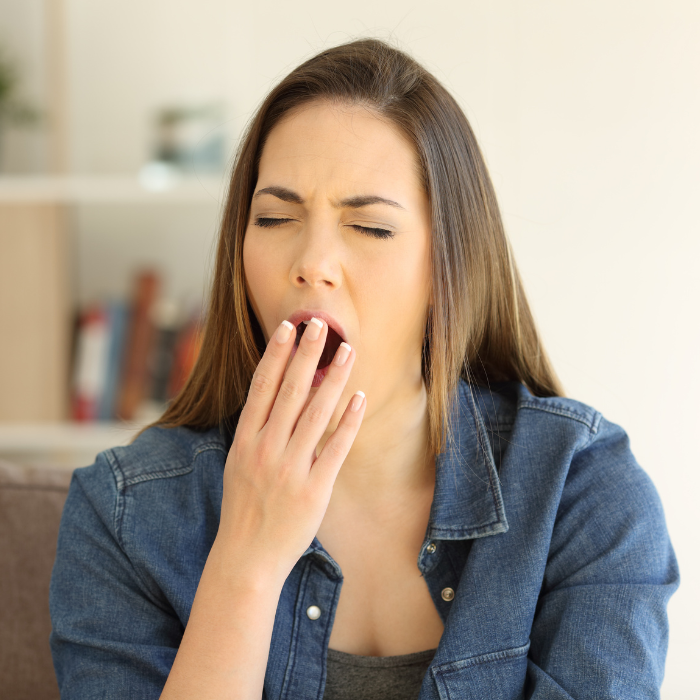
You might find yourself wondering, Why am I so tired during perimenopause?
If this sounds familiar, you're not alone.
Fatigue can become more noticeable during perimenopause and menopause, but changing hormones aren't always the direct cause. Poor sleep, night sweats, stress, heavy periods, and certain medical conditions can all contribute to feeling unusually tired.
The important thing is understanding why your energy has changed.
Sometimes improving sleep or adjusting daily habits helps. Other times, fatigue is a sign of a condition that needs medical treatment.
You don't have to assume that constant exhaustion is simply part of menopause.
Key Takeaways
- Fatigue can occur during perimenopause and menopause, but it isn't always caused by hormonal changes.
- Night sweats, insomnia, and poor sleep can contribute to low energy.
- Heavy menstrual bleeding may lead to iron deficiency or anemia.
- Thyroid problems, sleep apnea, depression, medications, and other conditions can also cause fatigue.
- Regular physical activity, balanced meals, hydration, and consistent sleep habits may support energy.
- Hormone therapy may help indirectly when night sweats are disrupting sleep, but it isn't a specific treatment for unexplained fatigue.
- No universal menopause energy supplement has been proven effective.
- Blood tests may be useful when symptoms suggest anemia, thyroid disease, or another medical condition.
- Persistent, worsening, or unexplained fatigue deserves medical evaluation.
- Sudden serious symptoms, including chest pain, fainting, or severe breathlessness, require emergency care.
What Is Menopause Fatigue?
Fatigue is more than feeling a little sleepy after a busy day.
It's a feeling of ongoing tiredness, low energy, or physical and mental exhaustion that may not improve as much as expected with rest.
You might notice:
- Feeling tired soon after waking.
- Struggling to finish your usual activities.
- Having difficulty concentrating.
- Feeling physically drained.
- Needing more breaks during the day.
- Finding exercise or household tasks unusually tiring.
- Feeling less motivated because you have so little energy.
Fatigue and sleepiness aren't exactly the same thing.
Sleepiness means you're likely to fall asleep.
Fatigue means you feel worn out or lack energy, even if you aren't actually sleepy.
Some women experience both.
This difference can help your healthcare professional understand what may be causing your symptoms.
Can Menopause Cause Fatigue?
Yes, fatigue can occur during the menopause transition.
During perimenopause, estrogen and progesterone levels fluctuate. These changes can affect menstrual cycles, body-temperature regulation, and sleep.
Some women experience night sweats, insomnia, mood changes, or other symptoms that leave them feeling exhausted.
But the relationship between menopause and fatigue is complicated.
Not every woman develops fatigue, and not every episode of tiredness is related to reproductive hormones.
Menopause may contribute to fatigue, but it shouldn't be used as the explanation until other important causes have been considered.
This is particularly important when fatigue is new, severe, persistent, or getting worse.
Fatigue During Menopause: Possible Causes
Several factors may contribute to low energy during midlife.
Sometimes more than one is involved.
1. Night Sweats and Interrupted Sleep
Night sweats can wake you repeatedly, making it difficult to get enough restful sleep.
You might fall asleep easily but wake several times because you're hot or uncomfortable.
Even if you return to sleep quickly, repeated awakenings may leave you feeling tired the following day.
Hot flashes and night sweats are common menopause symptoms, but they are treatable.
If nighttime symptoms are interfering with your life, ask a healthcare professional about appropriate treatment options.
Our article Hot Flashes and Night Sweats During Menopause: What Can Help explores these choices.
2. Insomnia and Other Sleep Problems
Not every woman with menopause fatigue experiences night sweats.
Some have trouble falling asleep, wake too early, or spend long periods awake during the night.
Anxiety, medications, changes in sleep patterns, and other health conditions can contribute.
Chronic insomnia may benefit from cognitive behavioral therapy for insomnia, known as CBT-I.
This structured treatment is different from simply following general sleep tips.
Another important possibility is sleep apnea.
Sleep apnea causes repeated breathing interruptions during sleep and may lead to daytime sleepiness, fatigue, headaches, or trouble concentrating.
Signs may include loud snoring, waking while gasping, or feeling unrefreshed after sleep.
Sleep apnea becomes more common with age, and its symptoms may be overlooked in women.
If you suspect it, ask about a sleep evaluation.
For additional guidance, read How to Sleep Better During Menopause: Practical Steps.
3. Heavy Periods and Iron Deficiency
During perimenopause, menstrual bleeding can become unpredictable.
Some women experience heavier or longer periods.
Losing more blood than usual can contribute to iron deficiency and, in some cases, iron-deficiency anemia.
Anemia means your body doesn't have enough healthy red blood cells to carry oxygen effectively.
Symptoms may include:
- Fatigue or weakness.
- Shortness of breath during activity.
- Dizziness.
- Headaches.
- A racing heartbeat.
- Pale skin.
Not everyone with iron deficiency develops anemia, and symptoms vary.
If your periods have become heavy and you're feeling unusually tired, discuss this with a healthcare professional.
Blood tests may help determine whether iron deficiency or anemia is contributing. NHLBI notes that mild or moderate iron-deficiency anemia may cause no symptoms at all, and that heavy periods are one cause of low iron.
Don't start high-dose iron supplements simply because you're tired. Too much iron can be harmful, and the underlying cause of blood loss may need treatment.
Our article Irregular Periods During Perimenopause: What Needs Checking explains which bleeding changes deserve attention.
4. Thyroid Problems
The thyroid gland helps regulate how your body uses energy.
An underactive thyroid, called hypothyroidism, can cause tiredness, constipation, feeling cold, dry skin, and other symptoms.
Some of these symptoms overlap with common midlife concerns.
Thyroid conditions can occur at the same time as menopause.
A healthcare professional may recommend thyroid testing when your symptoms suggest a possible thyroid problem.
The important thing is not to assume that fatigue, weight changes, or difficulty concentrating must be caused by menopause.
5. Stress, Anxiety, and Depression
Emotional health can have a major effect on energy.
Persistent worry may make it harder to relax or sleep.
Depression can involve fatigue, reduced motivation, changes in sleep, and loss of interest in activities.
Midlife responsibilities may also increase stress.
You might be balancing work, family, caregiving, or financial concerns while managing physical symptoms.
These experiences can overlap and make fatigue feel worse.
If low energy is accompanied by persistent sadness, anxiety, hopelessness, or loss of interest in activities, professional support may help.
Read Menopause and Anxiety: Understanding Changes and Finding Support for more information.
6. Medications and Other Health Conditions
Some medications can cause tiredness or drowsiness.
These may include certain antihistamines, sleep medications, pain medicines, and medications used for anxiety or other conditions.
Don't stop taking prescribed medication on your own.
Instead, ask your healthcare professional or pharmacist whether your medications could be contributing.
Other possible causes of fatigue include diabetes, vitamin B12 deficiency, chronic pain, inflammatory conditions, and heart or lung problems.
A healthcare professional can help determine which possibilities fit your symptoms and whether testing is needed.
Common Causes of Fatigue at a Glance
| Possible cause | Clues | Who can help |
|---|---|---|
| Night sweats and insomnia | Waking hot, trouble falling or staying asleep | Primary care, gynecologist |
| Sleep apnea | Loud snoring, gasping, unrefreshing sleep | Sleep evaluation |
| Iron deficiency | Heavy periods, pale skin, breathlessness | Blood tests |
| Thyroid problems | Feeling cold, dry skin, constipation | Thyroid testing |
| Depression or anxiety | Low mood, worry, loss of interest | Primary care, mental health professional |
| Medications | Drowsiness after a new medicine | Doctor or pharmacist |
Why Am I So Tired During Perimenopause Even When I Sleep?
It's frustrating to spend enough time in bed and still wake up exhausted.
But the number of hours you spend in bed doesn't always reflect the quality of your sleep.
You may be waking briefly without remembering every interruption.
Sleep apnea, insomnia, or nighttime symptoms may reduce how refreshed you feel.
And fatigue isn't always caused by sleep.
Iron deficiency, thyroid problems, depression, medication effects, and other conditions can leave you feeling drained even when you're getting adequate rest.
If you've been sleeping enough but your energy remains unusually low, don't assume you simply need more sleep.
A medical evaluation may be useful.
What Helps With Menopause Fatigue?
There isn't one treatment that works for every woman because fatigue can have several causes.
The most useful approach is to address the factors contributing to your symptoms.
Some practical habits may help support your energy while you work toward understanding the cause.
1. Keep a Consistent Sleep Schedule
Try to maintain a reasonably regular bedtime and wake-up time.
A comfortable, dark, and quiet bedroom may help you sleep.
If night sweats are disrupting your rest, a cooler room, breathable bedding, or a fan may improve comfort.
These changes don't replace medical treatment when symptoms are significant.
If insomnia persists, ask about CBT-I or other appropriate care.
2. Move Your Body Regularly
When you're tired, exercise may be the last thing you feel like doing.
But regular physical activity can support sleep, mood, cardiovascular health, and overall energy.
Start at a level that feels manageable.
That might mean a short walk, gentle stretching, swimming, or another activity you enjoy.
You can gradually increase your activity as your fitness and symptoms allow.
Strength training is also valuable during menopause because it helps maintain muscle and physical function.
However, pushing through severe or unexplained fatigue isn't the goal.
If activity causes unusual breathlessness, chest discomfort, faintness, or a marked worsening of symptoms, stop and seek medical advice.
3. Eat Regular, Balanced Meals
Your body needs enough energy and nutrients to function well.
Skipping meals or following restrictive diets can leave some people feeling tired or lightheaded.
Try to build meals around a variety of nutritious foods, including:
- Vegetables and fruits.
- Whole grains.
- Beans, lentils, and other fiber-rich foods.
- Fish, eggs, dairy, or other protein sources.
- Nuts, seeds, and healthy fats.
Iron-rich foods may be especially important if you have heavy menstrual bleeding.
However, food alone may not be enough to correct significant iron deficiency.
If testing shows a deficiency, your healthcare professional can recommend appropriate treatment.
There is no single menopause diet proven to eliminate fatigue.
4. Stay Hydrated
Dehydration can contribute to tiredness, headaches, and dizziness.
Try to drink fluids regularly throughout the day.
Your needs depend on activity, climate, medical conditions, and other factors.
Water is a useful everyday choice.
You don't need expensive electrolyte drinks or special hydration products unless there's a specific reason to use them.
5. Pay Attention to Caffeine and Alcohol
Caffeine may temporarily improve alertness, but it can also interfere with sleep.
If you're drinking coffee late in the day to overcome fatigue, you may find yourself struggling to sleep that night.
Alcohol can also disrupt sleep quality.
You don't necessarily need to eliminate either one.
Consider whether the timing or amount is affecting how you feel.
Small changes may help you identify patterns without creating unnecessary restrictions.
6. Plan Around Your Energy
If you're dealing with fatigue, it may help to adjust how you organize your day.
Consider scheduling demanding tasks when you usually feel most alert.
Break large activities into smaller steps.
Allow time for rest without feeling that you must accomplish everything at once.
These strategies won't treat an underlying medical condition, but they may make daily life more manageable while you're seeking answers.
Can Hormone Therapy Help Menopause Fatigue?
Hormone therapy is an effective treatment for certain menopause symptoms, particularly hot flashes and night sweats.
If those symptoms are repeatedly interrupting your sleep, treating them may help you feel more rested and energetic.
However, hormone therapy isn't an established treatment for fatigue by itself.
It shouldn't automatically be prescribed simply because a woman feels tired during menopause.
The decision to use menopausal hormone therapy should depend on the symptoms being treated, medical history, and individual benefits and risks.
If you're considering it, our article Hormone Therapy for Menopause: Benefits, Risks, and Questions explains the important considerations.
Do Menopause Energy Supplements Work?
Products marketed for menopause fatigue may contain B vitamins, magnesium, iron, herbal ingredients, or blends advertised for energy and hormone balance.
But there is no strong evidence that one particular supplement reliably treats menopause fatigue in everyone.
Supplements can be helpful when they address a diagnosed deficiency or another specific nutritional need.
For example, iron treatment may be appropriate for someone with confirmed iron deficiency.
Vitamin B12 treatment may be needed for someone who is deficient.
But taking extra vitamins when you don't need them isn't a proven way to restore energy.
Some supplements can also cause side effects or interact with medications.
Be cautious about products promising to eliminate menopause fatigue, balance hormones, or boost energy naturally.
These claims may go beyond the available evidence.
If you're considering a supplement, ask a healthcare professional or pharmacist whether it is appropriate.
Our article How to Choose a Menopause Supplement: Evidence and Safety explains how to evaluate supplement claims.
Should You Get Blood Tests for Menopause Fatigue?
Sometimes.
There isn't one blood test that identifies the cause of all fatigue.
Your healthcare professional will usually begin by asking about your symptoms, sleep, menstrual history, medications, and overall health.
Depending on your situation, testing may include:
- A complete blood count to check for anemia.
- Iron studies, including ferritin, when iron deficiency is suspected.
- Thyroid testing when symptoms suggest a thyroid problem.
- Blood glucose or other testing when appropriate.
- Vitamin B12 testing when risk factors or symptoms suggest a deficiency.
Not everyone needs all these tests.
And a large panel of reproductive hormone tests is usually not necessary to investigate fatigue.
During perimenopause, hormone levels fluctuate, so one estrogen or FSH measurement generally cannot explain persistent tiredness.
The goal is to identify possible causes and choose testing that fits your symptoms.
Menopause Fatigue: When to See a Doctor
Occasional tiredness after a poor night's sleep is common.
But persistent fatigue deserves attention, particularly when it affects your daily life.
The NHS advises seeing a doctor if you've felt tired for a few weeks and can't explain why, or if tiredness affects your daily life. Consider making an appointment if:
- Fatigue continues for several weeks or keeps returning.
- You're tired despite getting adequate sleep.
- Your energy has changed noticeably without a clear reason.
- Fatigue is interfering with work, exercise, or everyday activities.
- You have heavy or prolonged menstrual bleeding.
- You're experiencing unexplained weight changes, fever, or other new symptoms.
- You have symptoms of depression or significant anxiety.
- You snore loudly, wake gasping, or feel excessively sleepy during the day.
You don't need to wait until you're completely exhausted before asking for help.
When Is Fatigue an Emergency?
Fatigue by itself usually isn't an emergency.
But certain symptoms need immediate medical attention.
Seek emergency care if fatigue occurs with chest pain, severe shortness of breath, fainting, sudden confusion, or sudden weakness on one side of the body.
Heavy bleeding with severe dizziness or fainting also requires urgent care.
These symptoms may indicate a condition unrelated to menopause that needs prompt treatment.
How to Prepare for Your Appointment
A little preparation can make your visit more useful.
Before your appointment, consider noting:
- When the fatigue started.
- Whether it is constant or comes and goes.
- How many hours you usually sleep.
- Whether you wake with night sweats or other symptoms.
- Any changes in menstrual bleeding.
- Your medications and supplements.
- Other symptoms, such as dizziness, breathlessness, or mood changes.
- How fatigue is affecting your daily activities.
You don't need to keep a complicated health journal.
A few clear notes can help your healthcare professional understand the pattern.
You might also ask:
“Could something other than menopause be causing my fatigue, and what should we check?”
That's a useful starting point for a conversation.
Frequently Asked Questions
Is fatigue a common symptom of perimenopause?
Yes. Many women report tiredness or low energy during the menopause transition.
Sleep problems, night sweats, stress, and other conditions may contribute.
Why am I so tired during perimenopause?
There may be several reasons, including disrupted sleep, heavy periods and iron deficiency, thyroid problems, anxiety, depression, or medication effects.
A healthcare professional can help identify the likely causes.
Can menopause cause extreme fatigue?
Menopause-related symptoms can contribute to significant tiredness, especially when sleep is severely disrupted.
However, extreme or unexplained fatigue should not automatically be attributed to menopause.
How long does menopause fatigue last?
There isn't one predictable timeline.
Fatigue related to night sweats may improve when those symptoms are treated.
Fatigue caused by another medical condition may continue until that condition is addressed.
What vitamins help with menopause fatigue?
There isn't a vitamin proven to treat menopause fatigue in everyone.
Iron, vitamin B12, or other nutrients may help when a deficiency is present, but unnecessary supplementation is unlikely to solve unexplained fatigue.
Does exercise help menopause fatigue?
Regular, manageable physical activity can support energy, sleep, and mood.
However, exercise isn't a substitute for evaluating persistent or severe fatigue.
When should I see a doctor for menopause fatigue?
Seek medical advice when fatigue is persistent, worsening, unexplained, or interfering with everyday activities.
You should also seek assessment when it occurs alongside heavy bleeding, breathlessness, significant mood changes, or other concerning symptoms.
You Deserve to Understand Why You're Tired
Feeling exhausted during menopause can be frustrating, especially when you're trying to keep up with work, family, and everyday responsibilities.
But fatigue isn't something you should automatically accept as part of getting older.
Changing hormones may contribute, particularly when hot flashes and night sweats interrupt sleep.
At the same time, iron deficiency, thyroid problems, sleep apnea, medications, and other health conditions may be involved.
The most useful approach is to understand what's causing your fatigue rather than searching for a quick energy boost.
Small daily changes may help, and appropriate medical treatment can make a meaningful difference when an underlying cause is identified.
What Should You Read Next?
If broken sleep is part of the picture, read How to Sleep Better During Menopause: Practical Steps.
If heavy or irregular bleeding may be involved, read Irregular Periods During Perimenopause: What Needs Checking.
For mood and worry, read Menopause and Anxiety: Understanding Changes and Finding Support.

Want the Bigger Picture?
Download our free Menopause Living Well Guide for practical information about menopause symptoms, sleep, nutrition, movement, treatment options, and questions to discuss with your healthcare professional.
Understanding your symptoms can help you make informed decisions and find support that fits your needs.
We respect your privacy. No spam. See our Privacy Policy.
Sources
This article is for general educational purposes only and is not medical advice. It is not intended to diagnose, treat, cure, or prevent any condition. Always talk with a qualified healthcare professional about your health.