
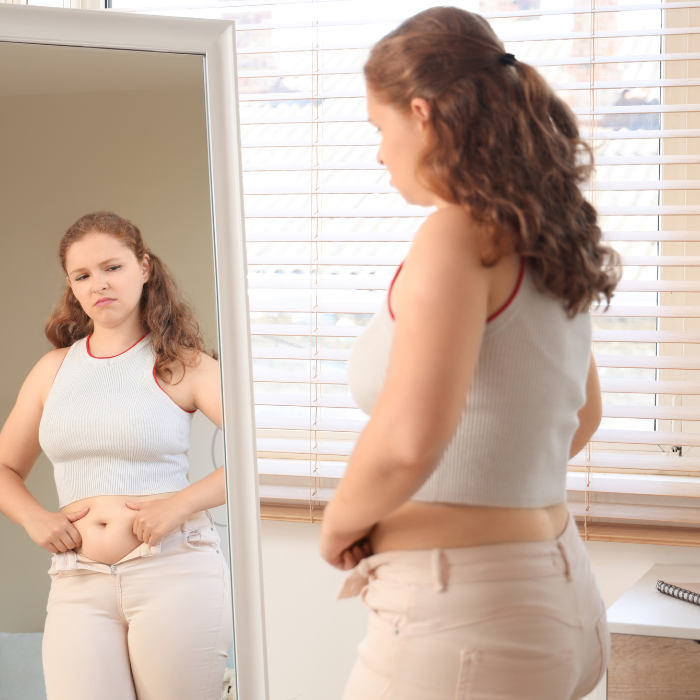
Or perhaps you've noticed gradual weight gain during perimenopause, despite eating and exercising much as you always have.
You may be wondering, Why does belly fat increase during menopause?
Menopause can change where your body stores fat, particularly around your abdomen. But changes in overall weight are more complicated. Aging, muscle mass, activity, sleep, medications, and everyday habits can all contribute.
That doesn't mean you've done something wrong.
And it doesn't mean you need a strict diet, an exhausting exercise program, or an expensive supplement to regain control of your health.
Understanding what's changing can help you make practical decisions that support your strength, energy, and long-term well-being.
Key Takeaways
- Menopause can influence fat distribution, making abdominal fat storage more common.
- Midlife weight gain is affected by several factors, not hormones alone.
- Body composition can change even when body weight remains stable.
- Preserving muscle is important for strength, mobility, and metabolic health.
- Strength training and regular movement support overall health.
- Adequate protein, fiber-rich foods, and balanced meals are useful nutritional foundations.
- Poor sleep and stress may make weight management more difficult.
- Spot-reduction exercises cannot reliably target belly fat.
- Hormone therapy isn't recommended specifically for weight loss.
- No supplement is proven to specifically eliminate menopause belly fat.
- Rapid or unexplained changes and persistent abdominal symptoms deserve medical evaluation.
- Health improvements matter even when the scale changes very little.
Why Does Belly Fat Increase During Menopause?
During the reproductive years, estrogen influences where the body tends to store fat.
Many women carry more fat around their hips and thighs.
As estrogen levels decline during the menopause transition, the pattern of fat storage can change.
Women may begin storing a greater proportion of body fat around the abdomen.
This is sometimes called a shift toward central or abdominal fat distribution.
It helps explain why your waistline may change even if your overall weight stays fairly stable.
But this doesn't mean that fat literally moves from your hips to your belly.
Instead, changes in hormones and other biological processes influence how fat is stored over time.
Subcutaneous Fat and Visceral Fat
Not all abdominal fat is the same.
Subcutaneous fat is stored beneath the skin. It's the fat you can often feel around your waist.
Visceral fat is stored deeper in the abdomen, around internal organs.
Visceral fat is important because higher amounts are associated with increased risks of conditions such as type 2 diabetes and cardiovascular disease.
However, you can't determine exactly how much visceral fat you have simply by looking at your stomach.
And a change in your waistline doesn't automatically mean you have a medical problem.
Your overall health depends on many factors, including blood pressure, cholesterol, blood sugar, fitness, and family history.
Does Menopause Actually Cause Weight Gain?
Menopause and weight gain often happen around the same time, but they aren't exactly the same process.
Research suggests that the menopause transition has a particularly important influence on body fat distribution.
Overall weight gain during midlife is influenced by a broader combination of factors.
These may include:
- Changes in physical activity.
- Gradual loss of muscle mass.
- Changes in appetite and eating habits.
- Poor sleep.
- Stress and emotional health.
- Medications or medical conditions.
- Individual genetics.
Some women gain weight during midlife. Others remain at a similar weight, and some lose weight.
There isn't one pattern that applies to everyone.
Menopause doesn't make weight gain inevitable.
It can, however, change your body composition and the way your waistline looks.
Weight Changes During Perimenopause: What Happens First?
Perimenopause is the transition leading up to menopause.
During this time, estrogen and progesterone levels fluctuate, and menstrual cycles may become irregular.
Some women begin noticing changes in their waistline before their periods stop completely.
Others notice gradual changes later.
You might experience:
- A larger waist measurement.
- Changes in how clothing fits.
- Gradual weight gain.
- Reduced muscle strength or endurance.
- Changes in sleep and energy.
- A different pattern of fat storage.
These changes can happen together, but they don't always have the same cause.
For example, a larger abdomen may sometimes reflect bloating or digestive changes rather than increased body fat.
Persistent abdominal swelling, pain, or unexplained changes deserve medical evaluation.
Why Muscle Matters During Menopause
Muscle plays an important role in strength, balance, mobility, and metabolic health.
As adults age, they tend to lose some muscle mass, particularly when they aren't doing activities that challenge their muscles.
This process is influenced by several factors, including physical activity, nutrition, health conditions, and aging.
Losing muscle can affect body composition even when body weight changes very little.
For example, if a person loses muscle and gains fat, the scale may remain fairly stable while clothing fits differently.
Muscle also uses energy, although the relationship between muscle mass and metabolism is more complicated than many weight-loss advertisements suggest.
Maintaining muscle is valuable for health regardless of whether your weight changes.
That's why strength training deserves attention during menopause.
Does Your Metabolism Slow Down During Menopause?
You may have heard that menopause causes your metabolism to suddenly crash.
The evidence doesn't support such a simple explanation.
Energy expenditure changes across adulthood, but the rate and timing vary.
Some changes associated with midlife weight gain are related to activity, body composition, and aging rather than a sudden hormonal shutdown of metabolism.
Estrogen changes can influence fat distribution and other aspects of metabolic health.
But there's no reliable rule that every woman experiences the same percentage decline in metabolism when menopause begins.
This distinction matters because it changes how we approach the problem.
Instead of trying to restart a supposedly broken metabolism, it makes more sense to focus on habits that support muscle, physical activity, sleep, and overall health.
What Helps With Managing Weight During Menopause?
There isn't one special menopause diet or exercise routine that works for everyone.
The most useful approach is one you can maintain over time.
You don't need to change everything at once.
A few practical steps can support your health without turning every meal or workout into a source of stress. Here is a quick overview:
| Habit | Why it helps | A simple start |
|---|---|---|
| Strength training | Maintains muscle, bones, and balance | Two short sessions a week |
| Regular movement | Supports heart health, mood, and sleep | A daily walk |
| Enough protein | Helps maintain and repair muscle | Protein at regular meals |
| Fiber and balanced meals | Keeps meals satisfying | Add a vegetable or bean dish |
| Sleep | Makes other habits easier | A consistent schedule |
| Stress management | Supports sleep and eating patterns | A short walk or a chat with a friend |
1. Include Strength Training
Strength training helps maintain and build muscle.
It also supports bone health, balance, and everyday physical function.
You don't need a gym membership to begin.
Options include:
- Resistance bands.
- Light dumbbells.
- Weight machines.
- Bodyweight exercises.
- Sit-to-stand movements from a sturdy chair.
For many adults, strengthening activities at least two days per week are a useful goal.
If you're new to exercise, start with manageable movements and allow time for recovery.
Focus on good technique rather than lifting as much weight as possible.
If you have osteoporosis, joint problems, cardiovascular conditions, or other health concerns, ask a qualified professional how to adapt your routine.
Muscle-strengthening activity is also part of standard adult activity guidelines, along with aerobic exercise.
2. Make Everyday Movement Part of Your Routine
Walking and other aerobic activities support cardiovascular health, endurance, and overall well-being.
You might enjoy:
- Brisk walking.
- Cycling.
- Swimming.
- Dancing.
- Gardening.
- Hiking or other outdoor activities.
A common public health recommendation is at least 150 minutes of moderate-intensity aerobic activity each week, along with muscle-strengthening activities.
But that isn't a requirement to meet immediately.
If you're currently inactive, starting with shorter periods of movement is worthwhile.
Even small amounts of activity offer health benefits.
And exercise doesn't have to be viewed only as a way to burn calories.
Being stronger, sleeping better, and feeling more capable in daily life are valuable outcomes.
3. Eat Enough Protein to Support Muscle
Protein helps your body maintain and repair muscle and other tissues.
During midlife, getting adequate protein becomes especially important when you're doing resistance training or trying to preserve muscle.
Useful sources include:
- Fish and seafood.
- Eggs.
- Poultry and lean meats.
- Greek yogurt and other dairy foods.
- Beans and lentils.
- Tofu, tempeh, and other soy foods.
- Nuts and seeds.
Try including a source of protein at regular meals.
You don't need to rely on protein powders or expensive products.
Your ideal protein intake depends on your body size, activity, medical history, and nutritional needs.
Women with certain kidney conditions may need individualized guidance.
There's no single high-protein target that every woman in menopause should follow.
4. Focus on Fiber and Balanced Meals
Fiber supports digestive health and can help meals feel satisfying.
Fiber-rich foods include vegetables, fruits, whole grains, beans, lentils, nuts, and seeds.
A balanced meal might include vegetables, a protein source, a whole grain or other carbohydrate, and a source of healthy fat.
For example, you could have salmon with roasted vegetables and brown rice, or a bean-and-vegetable bowl with olive oil dressing.
You don't need to remove carbohydrates to manage your weight.
The type and overall balance of foods matter more than labeling entire food groups as bad.
Our article Nutrition and Healthy Living During Menopause: Food, Strength, and Well-Being provides a broader overview.
5. Pay Attention to Sleep
Sleep problems are common during perimenopause and menopause.
Night sweats, hot flashes, insomnia, and stress may interrupt rest.
Poor sleep can influence appetite, food choices, energy, and physical activity.
When you're exhausted, preparing meals or exercising may feel more difficult.
Some people also notice stronger hunger or cravings after a poor night's sleep.
Improving sleep won't automatically eliminate abdominal fat.
But it can make other healthy habits easier to maintain.
If night sweats or insomnia are disrupting your sleep, ask about appropriate treatments.
6. Make Room for Stress Management
Midlife can involve demanding work schedules, caregiving, relationship changes, and other responsibilities.
Stress may affect sleep, eating patterns, and motivation.
Some people eat more when stressed. Others lose their appetite.
There isn't one response that applies to everyone.
Useful approaches may include walking, talking with supportive people, setting realistic schedules, or seeking counseling when needed.
Try to avoid turning weight management into another source of pressure.
Your health matters more than achieving a particular clothing size.
Can You Lose Belly Fat With Specific Exercises?
You may see advertisements promising to eliminate menopause belly fat with a short abdominal workout.
But you can't reliably choose where your body loses fat by exercising that area alone.
This is called spot reduction, and it isn't supported as a dependable weight-loss strategy.
Abdominal exercises can strengthen your core muscles.
That's useful for posture, stability, and everyday movement.
However, stronger abdominal muscles don't guarantee that fat stored over them will disappear.
Overall body-fat changes depend on many factors, including nutrition, physical activity, genetics, and energy balance.
And because fat distribution changes with age and hormones, your body shape may not return to exactly what it was in your twenties or thirties.
That doesn't mean your efforts aren't worthwhile.
Strength, endurance, and metabolic health can improve even when your waistline changes slowly.
Should You Count Calories During Menopause?
Some people find tracking food intake helpful.
Others find it stressful, overly restrictive, or difficult to maintain.
Calorie tracking isn't required for everyone.
If your goal is gradual weight loss, an appropriate and sustainable energy deficit may help.
But extreme restriction can make it harder to get enough nutrients and maintain muscle.
Very low-calorie diets, frequent meal skipping, and punishing exercise routines aren't necessary for healthy weight management.
If you're considering weight loss, a registered dietitian can help you develop an approach that fits your health and preferences.
For women with a history of disordered eating, focusing on sustainable habits and clinical support rather than restrictive tracking may be particularly important.
What About Intermittent Fasting or Low-Carb Diets?
Intermittent fasting, ketogenic diets, and other structured eating approaches are often marketed specifically to menopausal women.
Some people find certain eating patterns easier to follow than others.
But there isn't strong evidence that one restrictive diet is uniquely effective because a woman is in menopause.
Benefits often depend on whether the approach helps someone maintain appropriate overall food intake and dietary quality.
Potential downsides include difficulty meeting nutritional needs, increased food preoccupation, or poor compatibility with medications and health conditions.
You don't need to follow a particular diet trend to support your health during menopause.
A balanced eating pattern you can sustain is a reasonable starting point.
Does Hormone Therapy Prevent Menopause Weight Gain?
Menopausal hormone therapy is an effective treatment for hot flashes and night sweats.
Research suggests it may have modest effects on some measures of body composition or abdominal fat distribution in certain women.
However, findings vary, and hormone therapy is not recommended specifically as a weight-loss treatment.
It isn't a substitute for physical activity, adequate nutrition, or appropriate medical care.
Some women notice that treating hot flashes improves sleep and makes it easier to stay active.
But that doesn't mean hormone therapy directly causes meaningful weight loss.
If you're considering hormone therapy, the decision should be based on your symptoms, medical history, and individual benefits and risks.
Read Hormone Therapy for Menopause: Benefits, Risks, and Questions for more information.
Do Menopause Weight-Loss Supplements Work?
Products marketed for menopause belly fat may claim to balance hormones, boost metabolism, reduce cortisol, or burn fat.
These claims deserve skepticism.
There is no well-established supplement that specifically targets menopause-related abdominal fat.
Some products contain stimulants or ingredients that may cause side effects or interact with medications.
And natural doesn't automatically mean safe.
Protein supplements may be convenient when someone struggles to meet their nutritional needs, but they're not necessary for everyone and don't specifically eliminate belly fat.
Avoid relying on supplements that promise rapid changes or dramatic results.
For guidance on evaluating products, read How to Choose a Menopause Supplement: Evidence and Safety.
What About Prescription Weight-Management Medications?
For some adults with obesity or overweight and related health conditions, prescription weight-management medication may be appropriate.
These treatments aren't prescribed simply because someone is in menopause.
Eligibility depends on factors such as weight-related health risks, medical history, and the specific medication.
Medications can have important side effects, contraindications, costs, and ongoing treatment considerations.
They also don't replace attention to nutrition, physical activity, and preserving muscle.
If weight-related health concerns are affecting you, a healthcare professional can discuss whether medication, a structured lifestyle program, or another treatment makes sense.
When Should You See a Doctor About Weight Changes?
Gradual body changes are common during midlife.
But not every change should be attributed to menopause.
Consider seeking medical advice if:
- You experience rapid or unexplained weight gain.
- Your abdomen becomes persistently swollen or enlarged.
- You have ongoing abdominal or pelvic pain.
- Weight changes occur with unusual fatigue, constipation, or other new symptoms.
- You develop swelling in your legs or other areas.
- Your eating or exercise habits are causing distress.
- You have concerns about blood pressure, cholesterol, blood sugar, or other metabolic risks.
Persistent bloating, feeling full unusually quickly, pelvic pain, or urinary changes should also be evaluated rather than assumed to be menopause belly fat.
A healthcare professional may review your symptoms, medications, medical history, and relevant health measurements.
Testing may be appropriate depending on the findings.
Is the Scale the Best Measure of Progress?
Not always.
Body weight is one piece of information, but it doesn't tell you everything about health.
You might be maintaining or building muscle while improving strength and endurance.
You may also notice improvements in blood pressure, blood sugar, sleep, or fitness without a dramatic change on the scale.
Other useful signs of progress include:
- Feeling stronger during everyday activities.
- Walking farther or climbing stairs more comfortably.
- Sleeping better.
- Improving blood pressure or other health markers.
- Maintaining muscle and mobility.
- Feeling more confident with your routine.
Waist circumference can provide additional information about abdominal fat-related health risk, but it should be interpreted alongside your overall health.
You don't need to weigh yourself every day to make meaningful progress.
Frequently Asked Questions
Why does belly fat increase during menopause?
Declining estrogen can influence fat distribution, making abdominal fat storage more common.
Aging, muscle changes, physical activity, genetics, and other factors also contribute.
Can you gain belly fat without gaining weight?
Yes.
Body composition and fat distribution can change even when the number on the scale stays similar.
Is menopause weight gain inevitable?
No.
Some women gain weight during midlife, while others maintain or lose weight.
Menopause may influence body composition, but overall weight changes vary.
What exercise is best for menopause belly fat?
A combination of strength training and regular aerobic activity supports overall health.
No single exercise can reliably remove fat from the abdomen alone.
Does eating more protein help during menopause?
Adequate protein helps support muscle maintenance, particularly alongside resistance training.
It doesn't automatically cause weight loss or target belly fat.
Can hormone therapy help prevent belly fat?
Hormone therapy may modestly affect body composition in some women, but it isn't recommended specifically for weight loss or abdominal fat reduction.
When should weight changes during menopause be checked?
Rapid or unexplained changes, persistent abdominal swelling, pelvic pain, or symptoms suggesting another health condition deserve medical assessment.
A Healthier Way to Think About Midlife Body Changes
Your body may look or feel different during perimenopause and menopause.
That can be frustrating, especially when familiar routines no longer seem to produce familiar results.
But changes in your waistline don't mean you've failed to take care of yourself.
Hormones, aging, muscle, sleep, and everyday circumstances all influence body composition.
You may not be able to control every change, but you can take steps that support your health.
Focus on building strength, staying active, eating well, and addressing symptoms that make healthy routines harder.
Those habits can improve your quality of life whether or not your body returns to a previous size.
The goal is not to fight your body. It's to support it through a new stage of life.
What Should You Read Next?
For a broader look at food and healthy habits, read Nutrition and Healthy Living During Menopause: Food, Strength, and Well-Being.
If night sweats or insomnia are getting in the way, read How to Sleep Better During Menopause: Practical Steps.
And before buying a product marketed for belly fat, read How to Choose a Menopause Supplement: Evidence and Safety.

Want the Bigger Picture?
Download our free Menopause Living Well Guide for practical information about menopause symptoms, nutrition, strength, sleep, treatment options, and questions to discuss with your healthcare professional.
Small, sustainable habits can support your health throughout menopause and beyond.
We respect your privacy. No spam. See our Privacy Policy.
Sources
This article is for general educational purposes only and is not medical advice. It is not intended to diagnose, treat, cure, or prevent any condition. Always talk with a qualified healthcare professional about your health.


